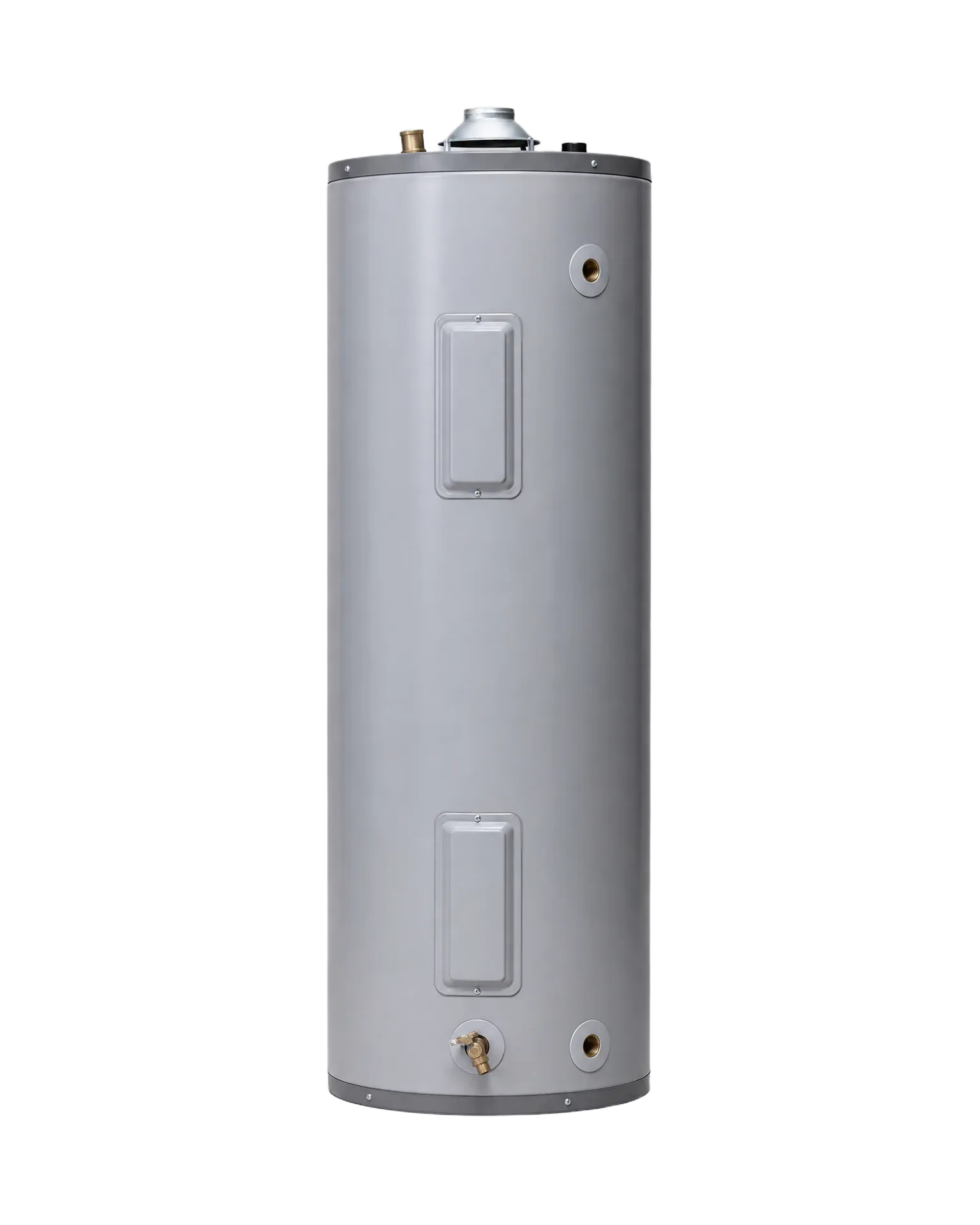
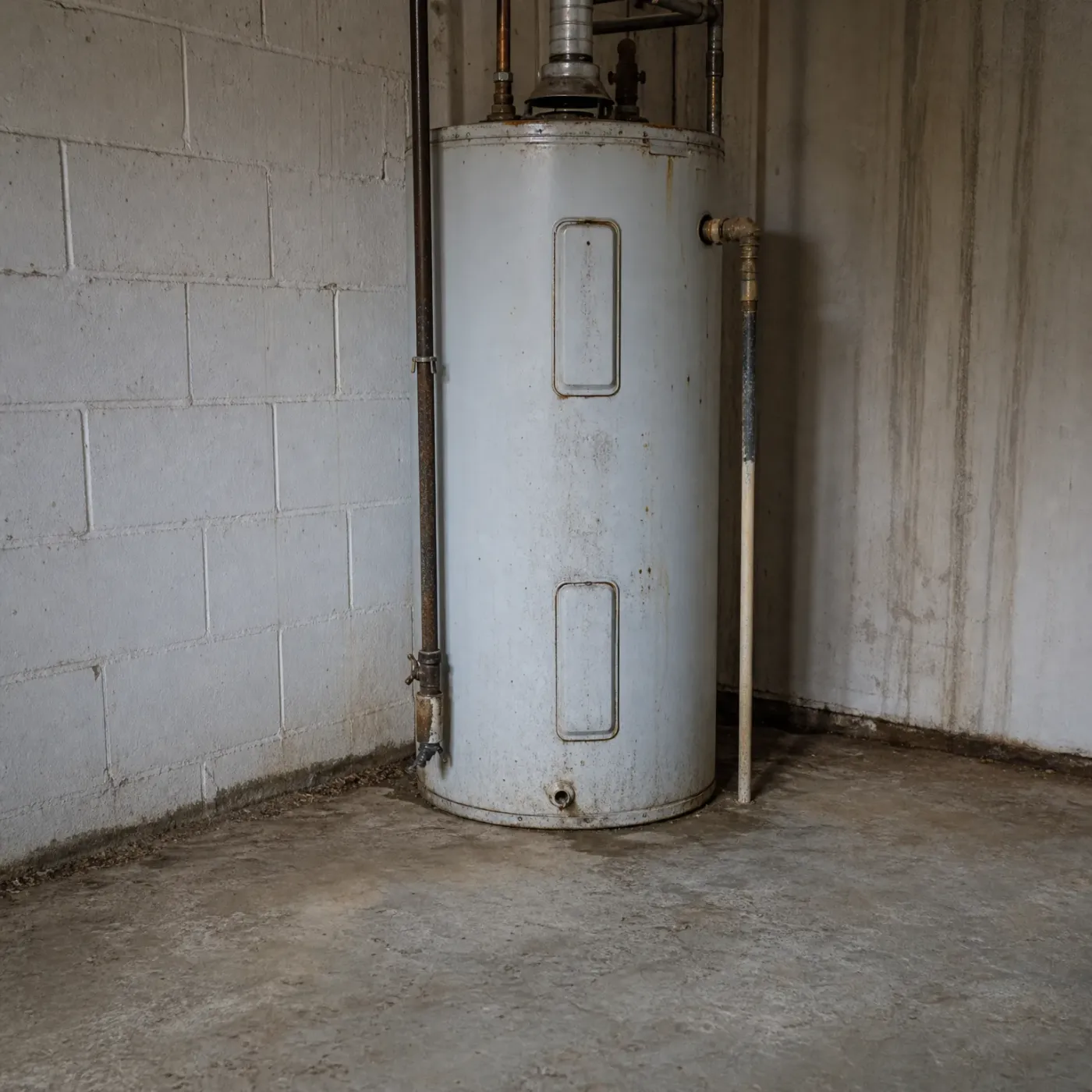
A water heater that needs replacing usually tells you before it fails outright. Look for water pooling around the base, a tank that's rusty at the fittings, or hot water that runs out faster than it used to. Most gas water heaters last 8 to 12 years, and once a tank passes that age, the inside starts to corrode even if the outside looks fine. Rust in your water, a popping or rumbling sound as it heats, or a pilot light that won't stay lit are all signs the tank itself is wearing out, not just a part inside it. New Mexico's dry climate is easier on a water heater than a humid one, but it doesn't stop a tank from aging on its own schedule. If yours is old enough and showing any of these signs, replacing it before it leaks is the better time to do it, not after.
What's Happening Inside the Tank
- Tank corrosion starts at the inside wall where the glass lining has cracked, not at the outside where you can see it.
- The anode rod sacrifices itself to rust first, and once it's used up, the steel tank is next in line.
- Sediment settling at the bottom of a gas tank insulates the metal from the burner, so the burner runs longer and heats it unevenly.
- A popping or rumbling sound during heating is that sediment layer trapping water underneath it, not air in the line.
- Rust-colored water from the hot tap only, not the cold, points to the tank itself rather than old pipes.
- A pilot light or igniter that won't hold steady after 8 years is often the tank signaling it's near the end, not just a dirty sensor.
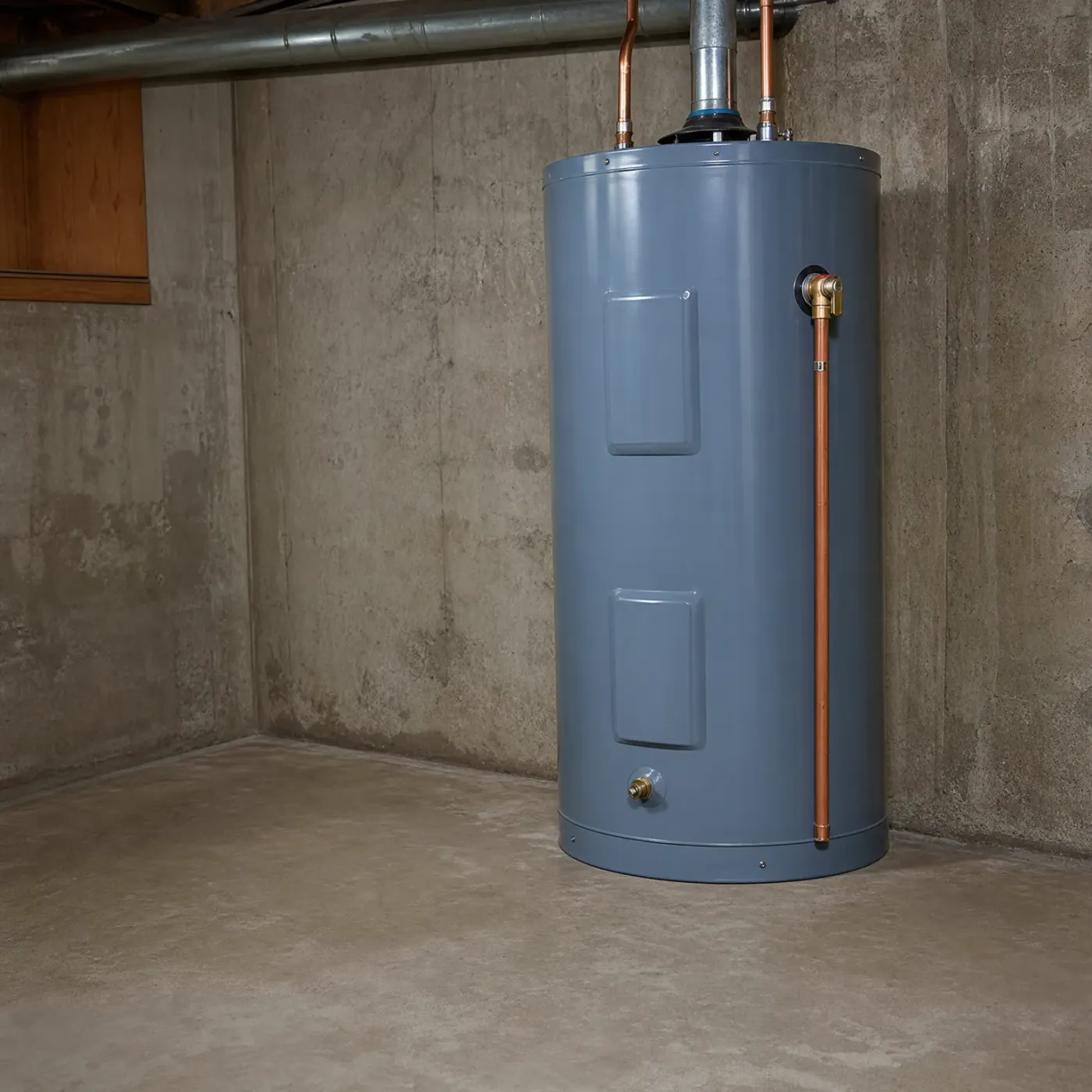
A gas water heater fails from the inside out, which is why the outside can look fine right up until it doesn't. The tank has a glass lining meant to keep the steel underneath from touching water. Once that lining cracks, usually from age or a hard knock during installation, the steel starts to corrode where you'll never see it. The anode rod is there to slow this down. It's a sacrificial piece of metal that corrodes instead of your tank, and most rods last around 5 years before they're used up. After that, the tank itself takes the damage. Meanwhile, sediment from your water supply settles at the bottom of the tank, between the water and the burner. That layer acts like insulation, so the burner has to run longer to get the same heat, and it heats the water unevenly instead of all at once. That trapped water boiling underneath the sediment is what makes the popping or rumbling sound you might hear during a heating cycle, not air working through the line. If you start seeing rust-colored water from the hot tap but not the cold, that's the tank corroding, not your pipes. And a pilot or igniter that's gotten unreliable after your unit has been running 8 years or more is often the tank itself reaching the end, even if the igniter tests fine on its own.




Get your water heater to the right pro
A water heater that's starting to go doesn't wait for a convenient time. It fails on a Sunday, or the morning you've got people in from out of town, and then you're stuck calling around to find someone who can even look at it. Gas water heaters in New Mexico tend to run 8 to 12 years, and once you're past that mark, rust at the fittings or a tank that can't keep up isn't a maintenance problem, it's a sign the unit is near the end. Waiting on a failing water heater usually means you're the one scrambling later, not on your schedule. Once you send the request, that part isn't on you anymore. A contractor who knows New Mexico installs, gas lines, venting, local code, gets your information and reaches out. You've still got hot water today. No reason to wait until you don't.
Why hard water speeds this up
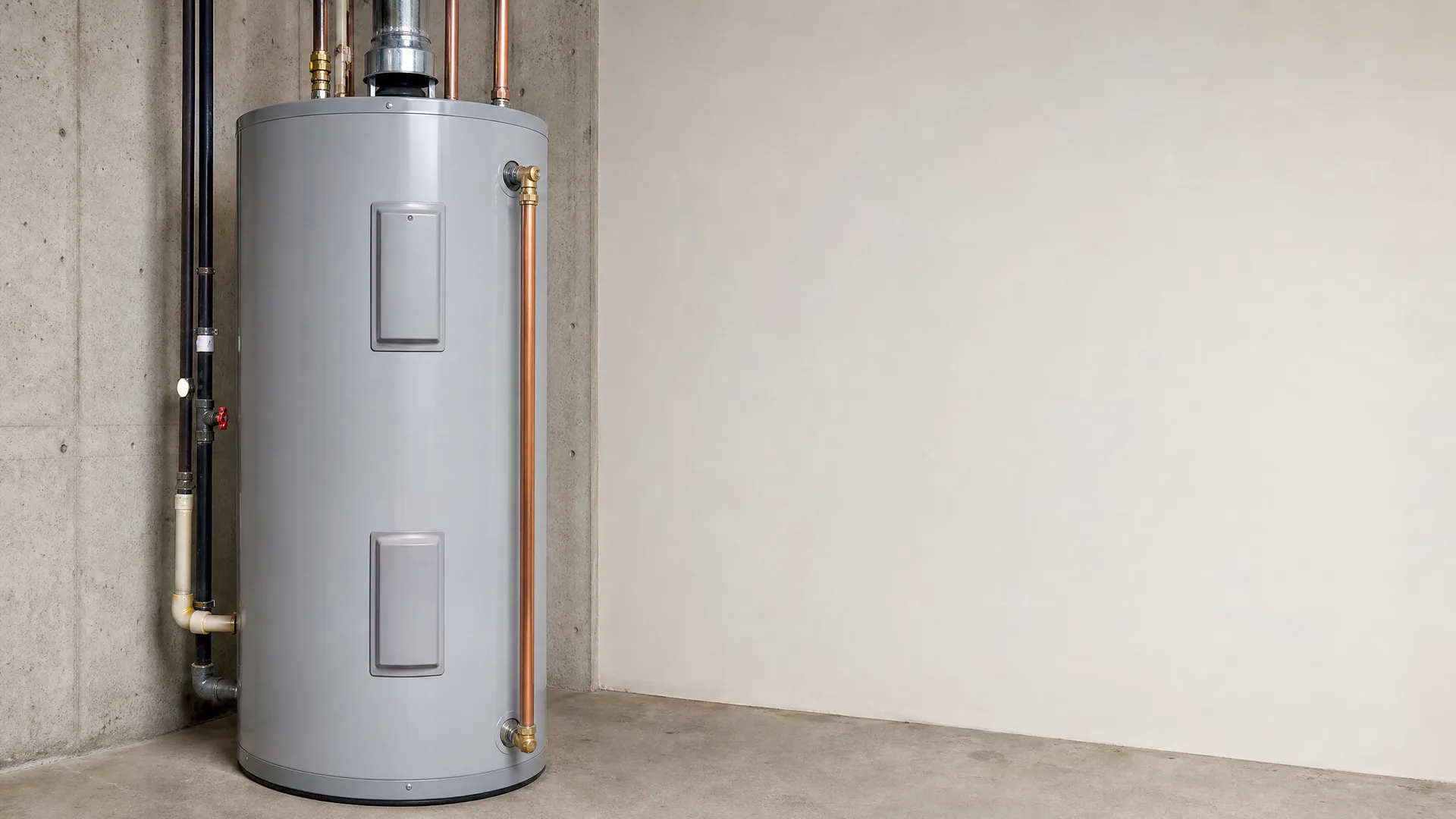
New Mexico's water runs hard, and the minerals in it settle out inside the tank as sediment. That layer sits between the burner and the water, so the burner has to run longer to heat the same amount of water. Over years that extra work stresses the tank and the burner assembly both. A gas water heater working against a thick sediment layer is already behind before it needs replacing outright.
What the warranty tag tells you
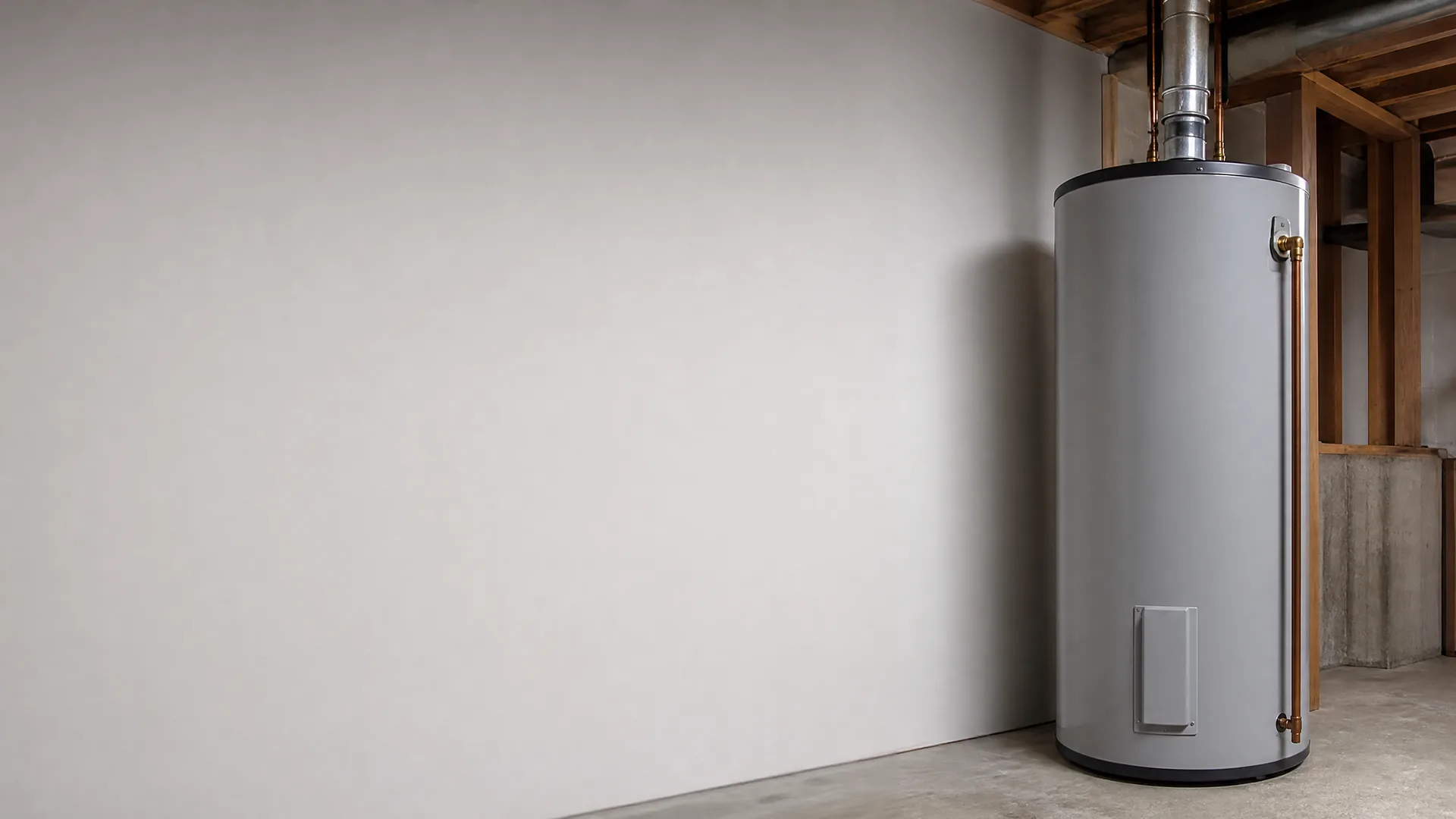
Check the rating plate near the top of the tank for the manufacture date, often hidden in the serial number. Most manufacturers use a letter-and-number code for the month and year built. If the unit is past its warranty period, which is usually 6 to 12 years depending on the model, parts are harder to source and a repair may cost close to what a new installation runs.
Why is my water heater acting up lately
Check the floor around the base first. A damp spot or a dried water line means the tank is leaking somewhere, and that doesn't stop on its own. Look next at the water itself. If it runs rusty or cloudy for a few seconds when you turn on the tap, that's the tank lining breaking down, not the pipes. Listen while it's heating, too. Rumbling or popping means sediment has built up on the bottom and the burner is working through it to reach the water above. And notice the hot water supply. If it used to last through two showers and now runs out after one, the tank isn't holding heat like it did. Left alone, a leaking or corroding tank can fail and send water across the floor it sits on.

The anode rod wears down absorbing rust meant for the tank
Once the rod is spent, bare steel starts corroding
Rust works outward until it reaches the tank's fittings
A pinhole forms and the tank starts leaking for good


61.7% of homes statewide heat with gas
With most homes in New Mexico on gas, yours is likely a gas water heater too, with a burner and pilot assembly instead of heating elements. That burner has to fight through sediment buildup the same as any tank, and the fittings around it are where rust usually shows up first.
ACS 2020-2024 5-year B25040

Where that leaves your water heater
A tank that's rusting at the fittings or losing hot water faster than it used to isn't going to turn around on its own. Once the anode rod is spent and bare steel starts going, the only question is when a pinhole opens up, not if. If your unit is showing those signs, you already have what you need to make the call on it.
You don't have to track down who handles gas water heaters in your area or figure out who's any good. Send the details through and a contractor who works on these every day gets matched to your situation and reaches out to you directly. The search stops being something you have to do yourself.

The right pro for this job
One request ends the search for a water heater installer.