Water heater pilot light keeps going out in New Mexico

Send it once and finding someone is no longer on you.

Step 1 of 3: Equipment

A pilot light that won't stay lit usually comes down to a weak thermocouple. That's the small copper rod that sits in the pilot flame and tells the gas valve it's safe to keep the gas flowing. Once it wears out or sits out of position, the valve reads no flame even when there is one, and it shuts the gas off. Dust and pollen can also clog the pilot orifice itself, especially if the water heater sits in a garage, which is common here and tends to collect more of both. A draft from a door or vent can blow the flame out too. If you've already tried relighting it and it goes out again within a minute, that points to the thermocouple rather than a draft. It's a straightforward part to test and replace for someone who works on gas water heaters regularly, and it's not something to leave guessing at, since it's part of what keeps the gas burning safely.

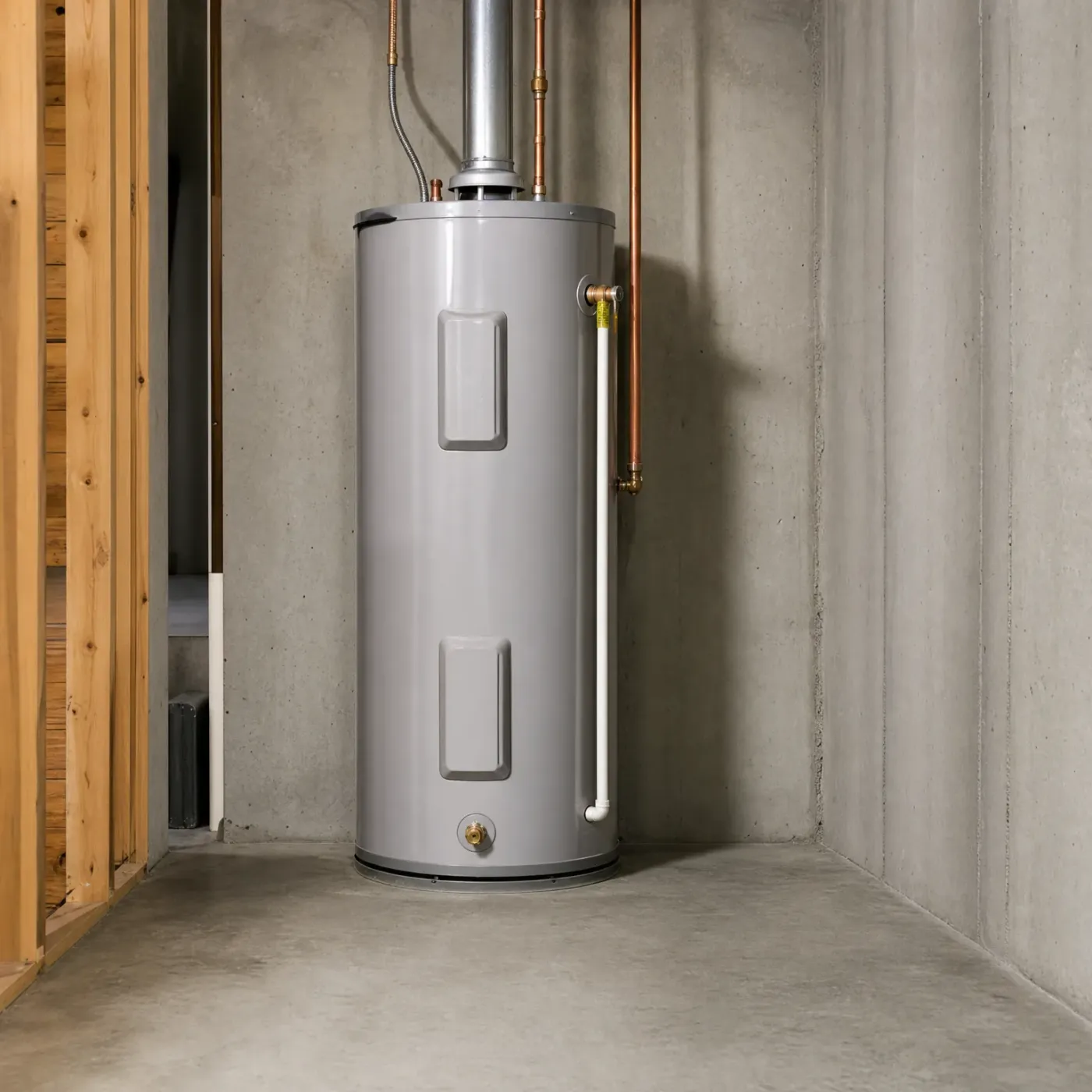
A gray cylindrical water heater standing in a concrete-walled basement corner, with copper and white pipes and a metal flue running up to the ceiling, next to exposed wood framing on the left.

Pilot lit and steady

The pilot burns a steady blue and the burner kicks on when a tap opens. No clicking, no smell of gas, no soot around the burner door. If yours looks like this and the pilot just won't stay lit, the thermocouple is the likely culprit, not the tank itself.
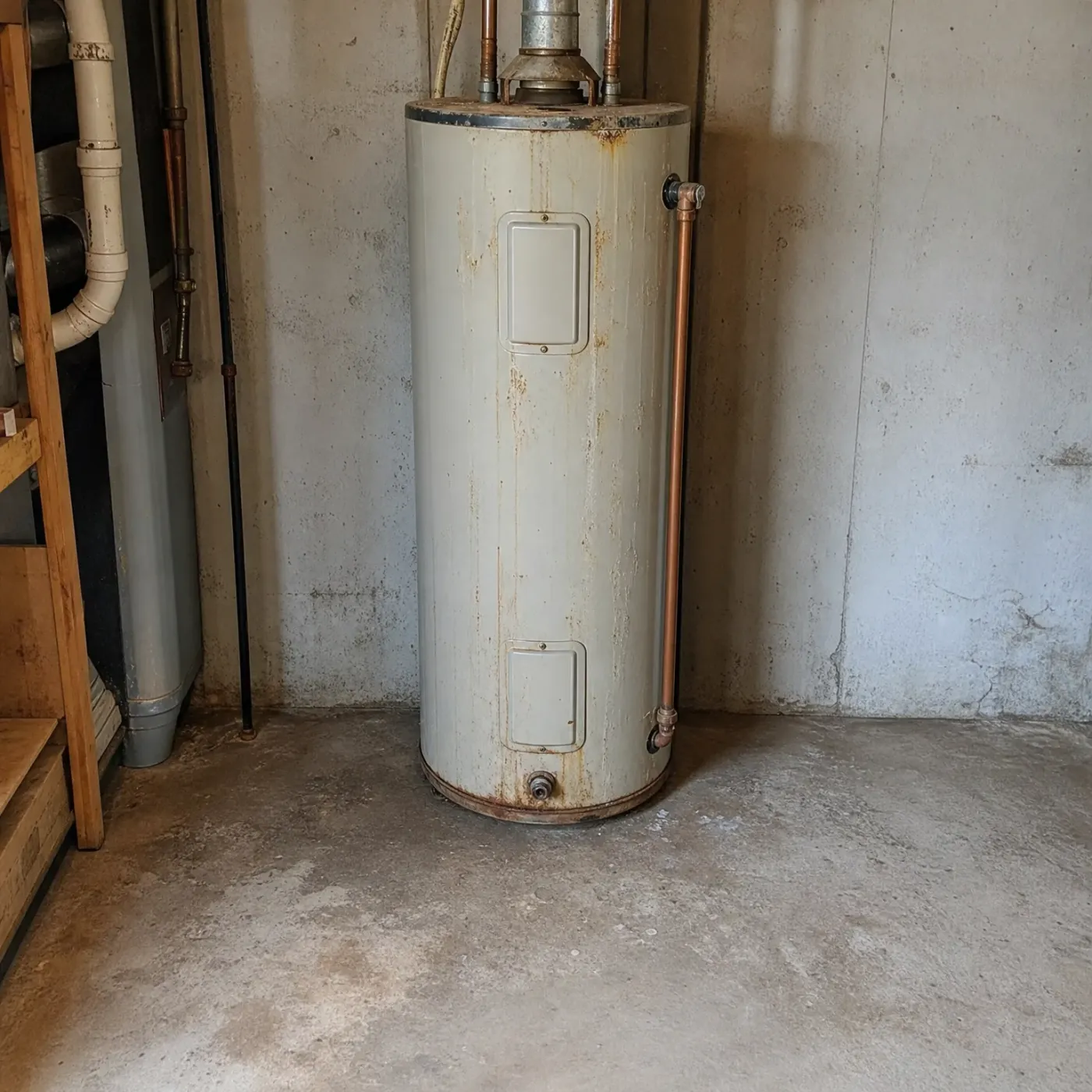
A rusted cream-colored water heater with copper piping and a flue stands in the corner of a concrete-walled basement next to wooden shelving and ductwork.

Tank showing its age

Rust along the seams or around the base, especially where the water line pipes meet the tank, points to a bigger problem than a bad thermocouple. Corrosion there can mean the tank is failing, and relighting the pilot won't fix that. A contractor can tell you which one you're dealing with.

Thermocouple or Gas Valve

Thermocouple replacement

  • A new thermocouple is a straight swap and the pilot holds steady once it's seated right in the flame.
  • It's the usual fix when the pilot lights fine but drops out a minute or two after you let go of the knob.
  • A tech checks the millivolt reading before and after, so you know the part was actually the problem.
  • This doesn't touch the gas valve or the burner, so it's a contained job with little else to disturb.
  • If the flame still won't hold after a new thermocouple, that points to the gas valve instead.

Gas valve replacement

  • This is the fix when the thermocouple tests fine but the pilot still won't hold, or the valve itself is worn out.
  • A gas valve costs more than a thermocouple and takes longer, since the new valve has to be matched to your water heater.
  • Get this wrong and the water heater won't light at all, or won't shut off the gas the way it should, so it's not a part to guess on.
  • A licensed plumber can tell from the millivolt test and the valve's condition whether this is really what's needed, rather than replacing it on a hunch.
  • Once it's in, the pilot should light and hold the same way it did when the water heater was new.
  1. Pilot flame heats the thermocouple's tip inside the burner chamber.

  2. Thermocouple sends a small voltage to hold the gas valve open.

  3. Weak or misaligned thermocouple lets the valve read a false no-flame signal.

  4. Gas valve shuts and the pilot drops out within seconds.

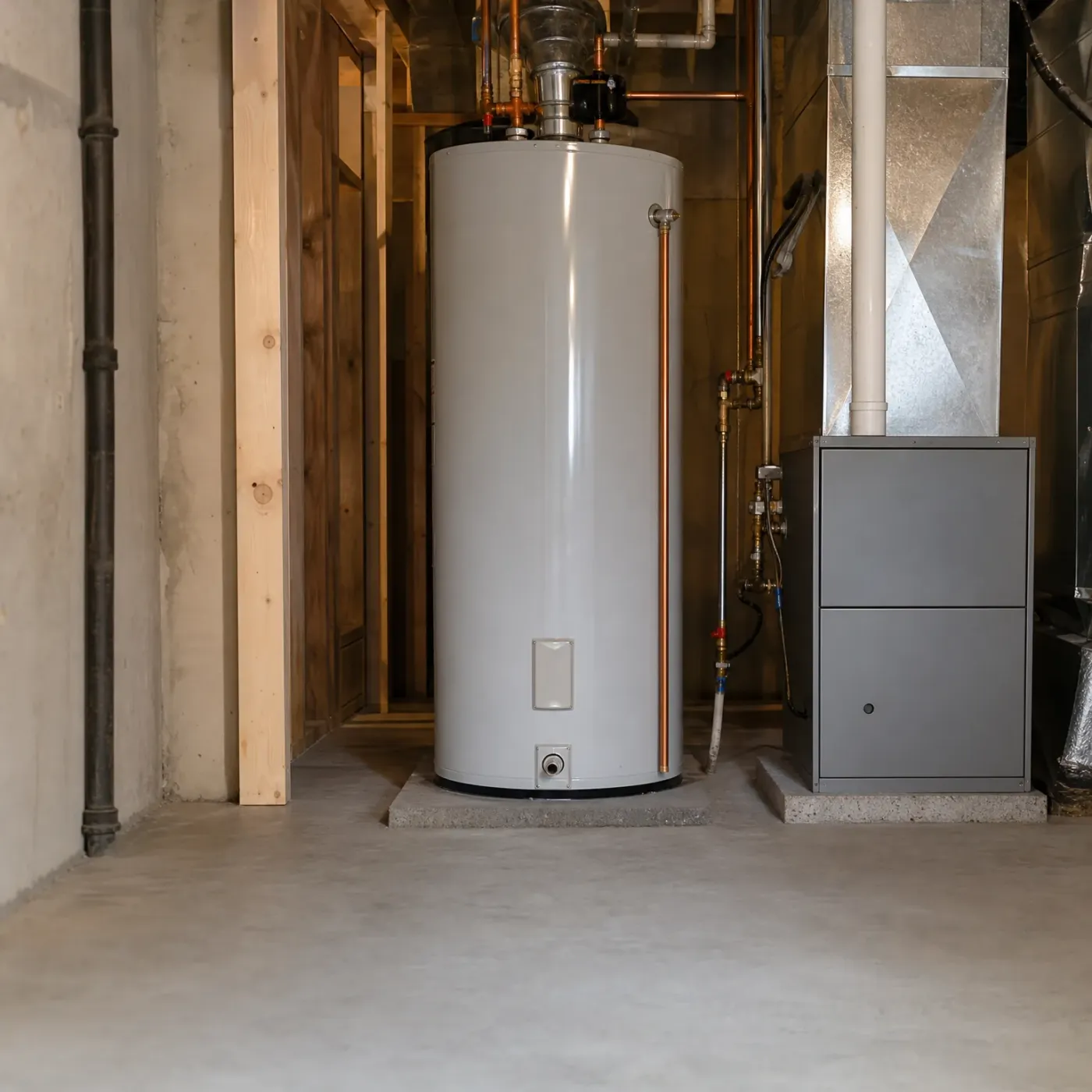
A white cylindrical water heater on a concrete pad in a basement, with copper and metal piping above it and a gray furnace cabinet with ductwork to the right.
Pipes and lines run clean to the tank, nothing blocking the pilot assembly or crowding the burner door.
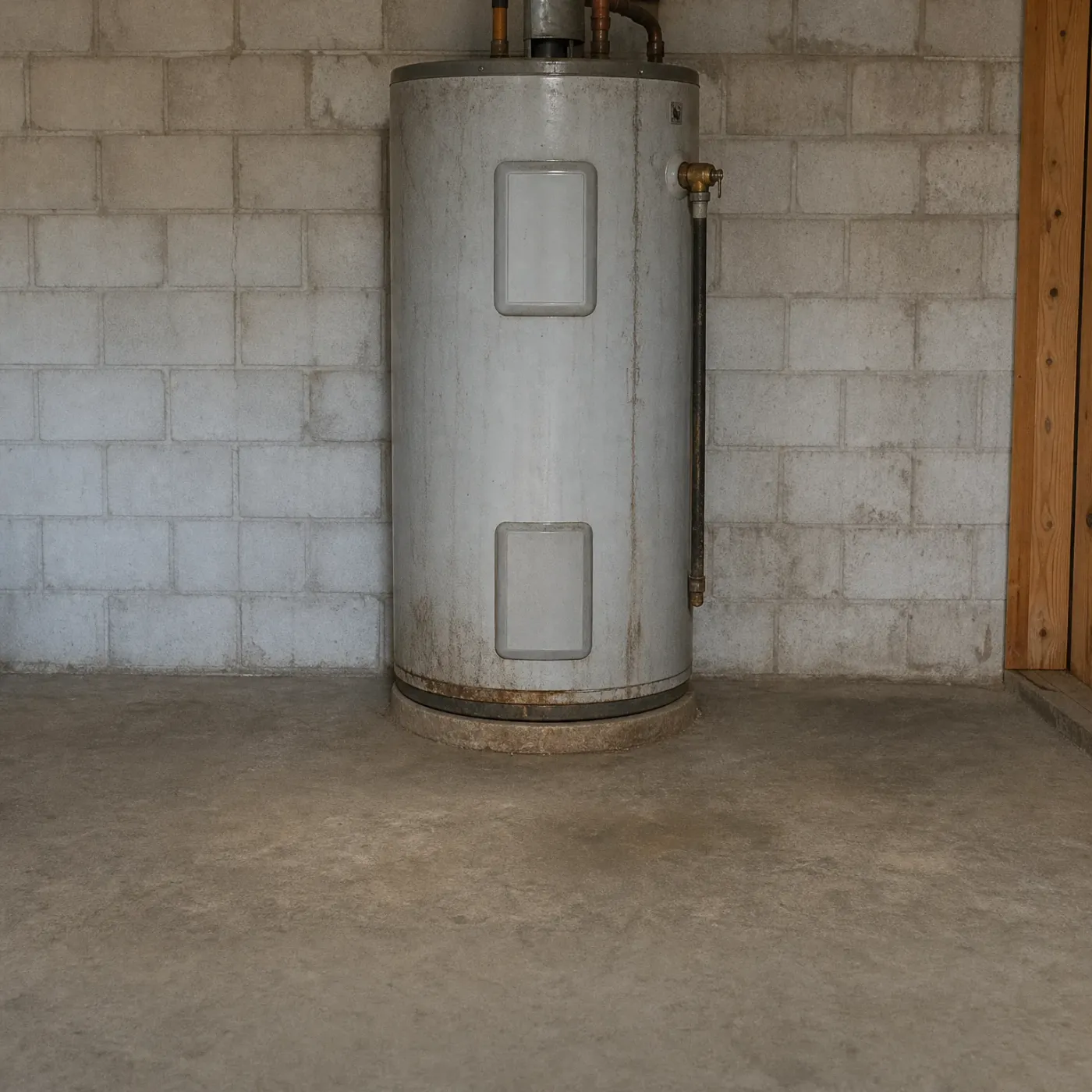
A cylindrical water heater with two access panels and copper pipes stands on a concrete floor against a painted concrete block wall.
Rust on the tank and a pressure relief valve under strain point to a water heater past the point of a simple pilot fix.
A gray-haired man in a dark long-sleeve shirt sits on a gray sofa in a living room, looking toward a sunlit window with sheer curtains.
A gray-haired man in a dark green sweatshirt sits on a sofa in a living room, looking toward a bright window, with a houseplant, lamp, fireplace and framed art behind him.
A gray-haired bearded man in a dark green collared sweater sits on a sofa in a living room with a window, houseplant, floor lamp and bookshelves, looking off to the side.
A gray-haired man in a dark green sweater sits on a sofa in a sunlit living room, looking off to the side, with a framed landscape painting, dining table and shelving behind him.

Hand off the search today

A pilot that won't hold means the water heater can shut off without warning, and in a New Mexico winter that's the kind of thing you notice fast, usually with a kid mid-shower. You can relight it yourself once or twice, but if it keeps dropping out, something in the assembly needs a look, and that's not a job to keep working around. A licensed contractor near you who services water heaters regularly knows the usual order of what fails on these units and won't need to guess their way through it. Sending the request puts one local contractor on it, not a handful of companies competing for the callback. From there it's off your plate. You stop checking the pilot every few hours and let someone who does this for a living figure out whether it's the thermocouple, the gas valve, or something else behind it.

A thermocouple runs about 20 to 30 millivolts when it's hot, barely enough to hold the gas valve open on its own.

That's such a small signal that a thermocouple tip coated in soot or bent a fraction off the flame can drop it below what the valve needs, and the pilot goes out.

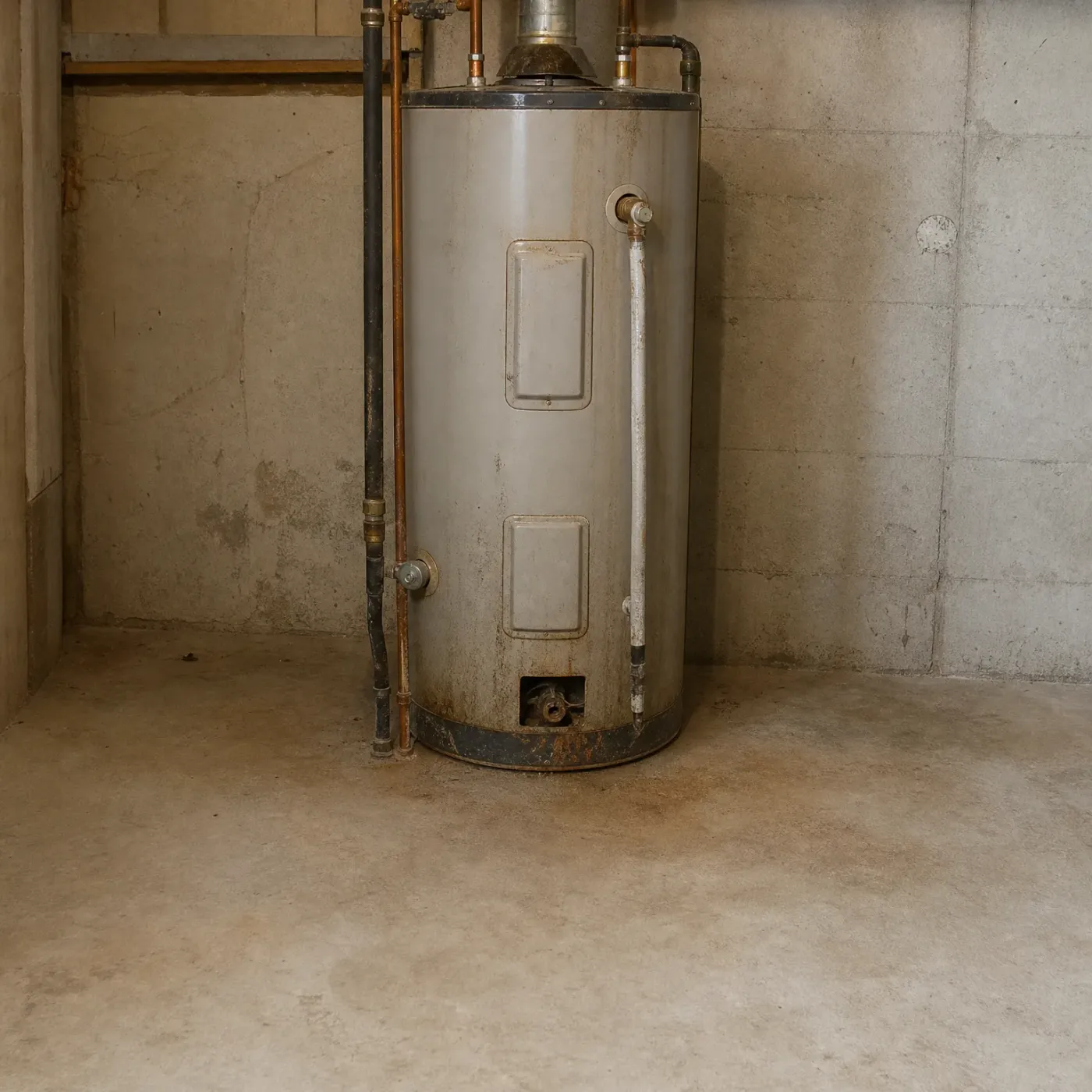
A rusting gas water heater with copper and steel pipes stands against a concrete block wall on a bare concrete floor.
Before you get your water heater repair
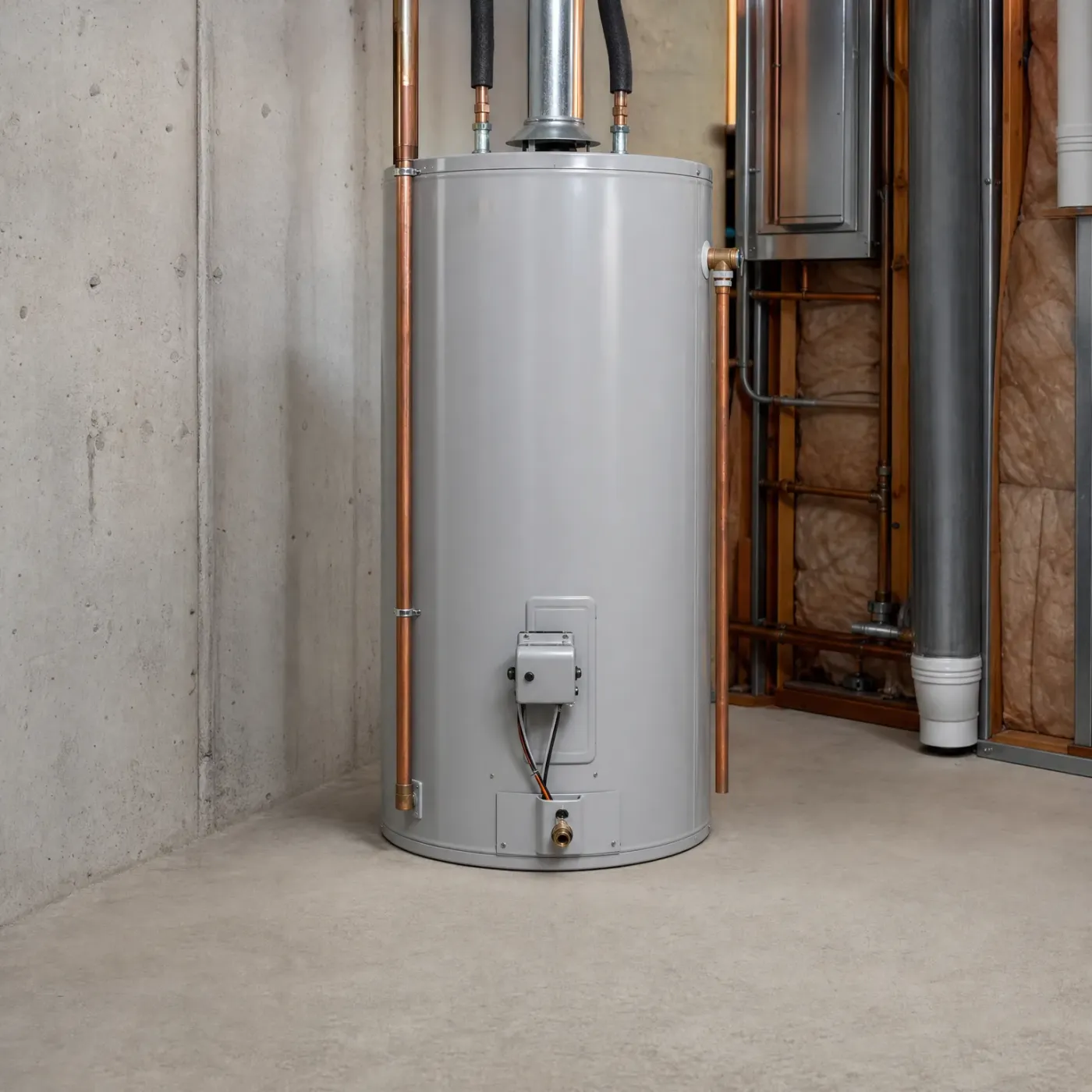
A gray cylindrical water heater stands in a basement corner against a concrete wall, with copper pipes, insulated flex lines, a metal flue, and insulated wall framing with ductwork to the right.
After you get your water heater repair

61.7% of homes statewide heat with gas

Most houses in New Mexico run a gas water heater, which means a pilot light to keep lit in the first place. When it won't stay lit, you're not left heating water with electric backup. A tech can get the pilot and thermocouple sorted and have gas doing the job again.

ACS 2020-2024 5-year B25040

A gray cylindrical water heater standing in a basement corner against a concrete wall, with copper and black pipes, a metal flue, and ductwork nearby, next to wood framing on the right.

Running the way it should

Copper lines, a gas line, and the flue all meet the tank clean, with nothing crowded or out of place. The pilot stays lit, the burner fires when a tap opens, and the tank heats water the way it was built to.

A gray cylindrical gas water heater with copper and black pipes stands in the corner of a basement with concrete block walls and a bare concrete floor.

Something's off at the base

Iron pipe on one side, copper on the other, and the gas valve and control sitting low near the floor where it's easy to miss a problem. If the pilot keeps dropping out, a tech will start right there at the valve and the thermocouple.

A middle-aged woman with shoulder-length dark hair, wearing a gray cardigan over a cream top, sits in an upholstered armchair and looks toward a sunlit window, with a shelf holding framed pictures and a plant behind her.
A woman and a child wrapped together in a thick knitted blanket on a sofa, both with eyes closed, with a lit table lamp and houseplant in the dim background.

Thermocouple fix, confirmed

  • A thermocouple that drops out after a minute or two of holding the knob is the clearest sign it needs replacing.
  • Soot on the tip or a thermocouple bent out of the flame both read as no-flame to the gas valve even when the pilot is lit.
  • A tech working gas water heaters in New Mexico all year knows this is the first part to check, not the last.
  • Once the thermocouple is seated right and reading full voltage, the pilot holds and the burner fires on its own.
  • Sending the request connects you with one local, licensed contractor for the job, not a string of calls to field.
  • A tank with clean lines and no rust around the relief valve means the fix is the thermocouple and nothing more.

A pilot that won't hold almost always traces back to the thermocouple, and once that's replaced, the water heater goes back to working the way it's supposed to. The gas valve only needs a clean signal to stay open. Soot wiped off, or a bent tip set back into the flame where it belongs, and the valve stops reading a false no-flame. Where this gets fixed fastest is having someone look at it who already knows the part before touching anything else. A contractor who works gas water heaters in New Mexico through the summer heat and the cold months alike has seen this exact failure enough times to check the thermocouple first, not after ruling out everything else. That's the difference between a visit that ends with the pilot holding steady and one that drags on guessing.

Sending the request puts you in touch with one contractor, local and licensed, who takes the job from there. No list of companies calling you back at once, no sorting through who's available. Just the person who's going to look at the tank, confirm the thermocouple is the problem, and swap it for one that reads full voltage in the flame. If the lines into the tank are clean and there's no rust working on the relief valve, that's the whole job. The pilot lights, holds, and the burner answers the next time a tap opens. That's where this ends up for most houses with this exact complaint.

Corner of a room with a white window at left, a white fireplace mantel with dark stone surround at right holding a weathered clay vase of leafy branches, and a cream upholstered sofa with a knit throw and tan pillow in the foreground.
A cushioned window seat with a brown lumbar pillow beside a white-framed window overlooking green trees, next to built-in cream cabinetry with shelves holding ceramic vessels and a wooden bowl.
An entryway with a dark wood console table holding a stone vase of olive branches and a shallow wooden bowl, a woven basket on the lower shelf, a framed landscape print on the wall, and a glass-paned wood door at left.
A wooden vanity cabinet with dark knobs and a beige stone countertop holding a round terracotta vase with leafy branches, beside a wood-framed mirror and a white sink.
Sunlit room corner with wide-plank oak flooring, white baseboard molding and beige walls, a window at left showing green trees, and a dark cabinet at right topped by a stone vase holding a leafy branch.

Hand off the water heater problem

The pro who reaches out is licensed in New Mexico.

Find a local pro

Asking costs nothing, and the choice to hire stays yours.