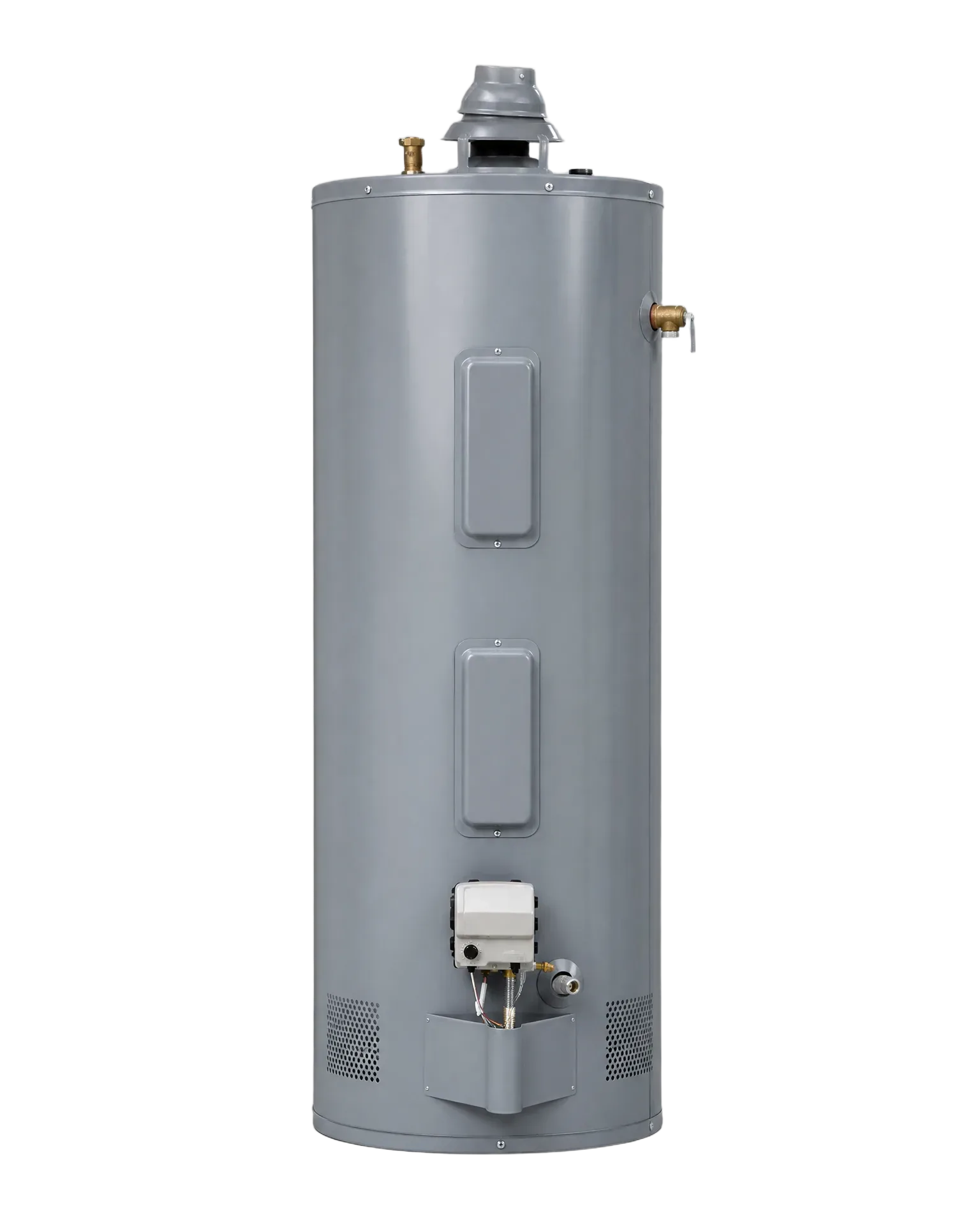
Running out of hot water fast usually means the tank is smaller than what your house needs, or the gas burner can't recover fast enough between showers and dishes. Most homes in New Mexico heat water with gas, and a gas water heater's recovery rate, how fast it reheats a full tank, depends on the burner and the tank size together. A 40 gallon tank with a weak burner leaves you cold halfway through a second shower. It can also mean sediment has settled at the bottom of the tank. That layer sits between the burner and the water, so the burner has to work through it before the water above ever heats, and the usable hot water shrinks even though the tank size hasn't changed. Either way, the fix is usually a repair, not a new tank. A contractor who checks the burner, the thermostat, and the inside of the tank will know which one is cutting your hot water short.




What recovery rate actually means
A gas water heater pulls cold water in at the bottom of the tank while hot water leaves from the top, and the burner has to reheat that incoming water before the next draw catches up to it. If the burner's recovery rate is lower than what your household uses in a given stretch, the tank runs hot water out faster than it can replace it. A shower right after a load of dishes can be enough to hit that wall. A worn burner, a bad thermocouple, or heavy sediment sitting between the flame and the water all lower how fast that recovery happens, even in a tank that was sized right to begin with.
Why sediment makes it worse
New Mexico's water tends to be hard, and the minerals in it settle out as sediment on the bottom of the tank, right where the burner applies its heat. That layer acts like insulation between the flame and the water above it, so the burner spends longer reaching the same temperature. Over time this shows up as hot water running out sooner than it used to, not because anything in the house changed, but because the tank is working through a buildup that wasn't there when it was new. A contractor can check for this and flush the tank if sediment is the cause.


Gas water heaters pull cold water in at the bottom and send hot water out the top. Everything that goes wrong tends to show up in that gap. Sediment builds up at the bottom of the tank over months, sitting between the flame and the water it's supposed to heat. The burner keeps running, but less of that heat actually makes it into the tank, so recovery slows down even though the gas is still firing. A cracked dip tube causes a different problem: cold water that's supposed to stay at the bottom mixes in near the top, where the hot water draw happens, so you get lukewarm water sooner than you should. A thermocouple or flame sensor that's wearing out can cut a heating cycle short before the tank's back up to temperature. And if someone turned the thermostat down at some point, there's simply less hot water available no matter how well everything else works. New Mexico's dry heat and warm incoming water in summer mean the burner has less work to do most of the year, so when hot water suddenly runs short, the tank is almost always the reason, not the weather.
What's Actually Happening Inside the Tank
- Sediment settles at the bottom of a gas tank over time and sits right where the burner's heat needs to pass through.
- A layer of sediment acts like insulation between the flame and the water, so the burner runs longer but heats less.
- The dip tube feeds cold water to the bottom of the tank, and a cracked one lets cold water mix in near the top where hot water draws from.
- A thermocouple or flame sensor that's failing can cause the burner to shut off early, cutting a recovery cycle short.
- The thermostat on the gas valve sets how hot the water gets, and if it's been turned down, every tank's usable hot water shrinks.
- Dry air and high incoming water temperatures in summer mean the burner has less work to do, so a sudden drop in hot water points to the tank, not the season.
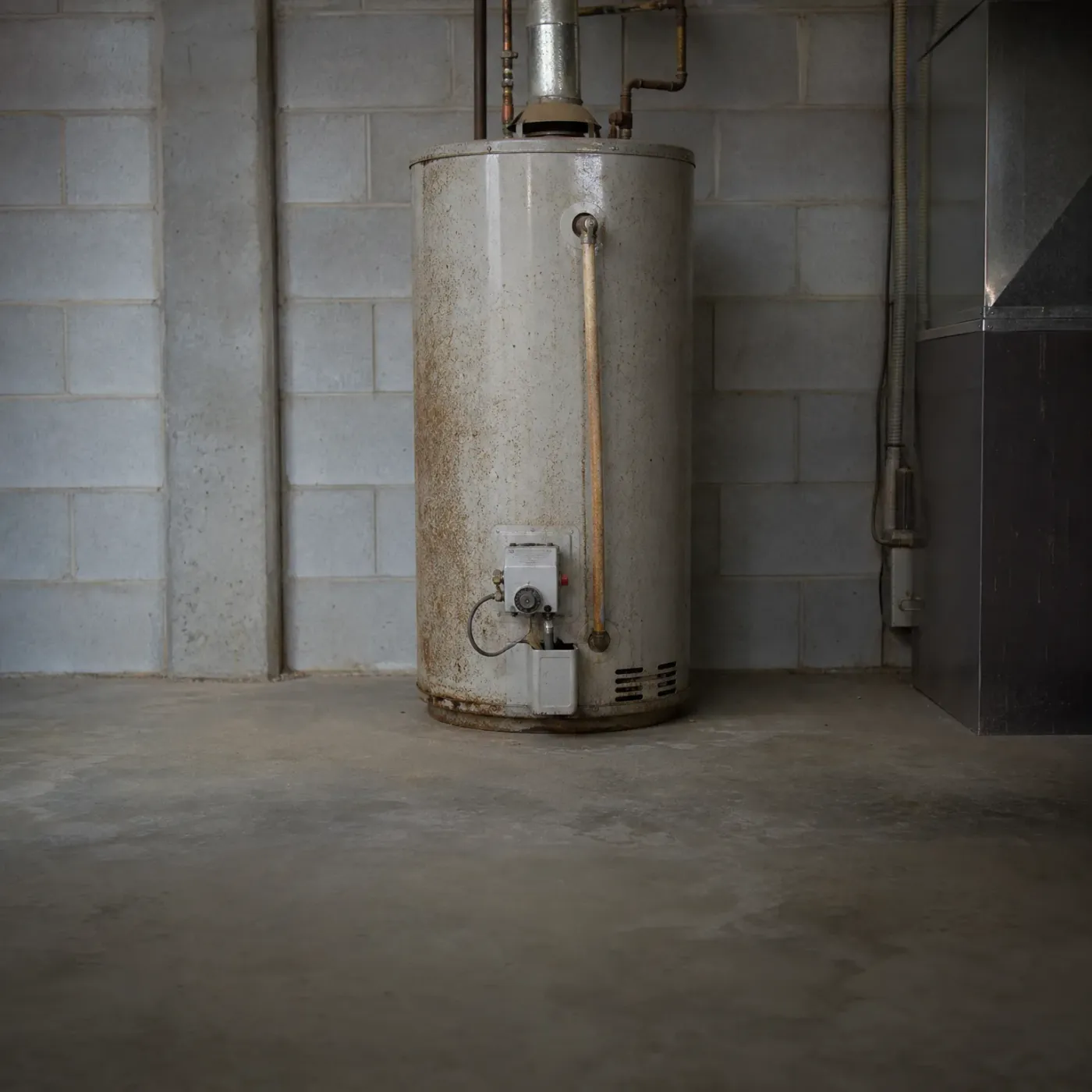
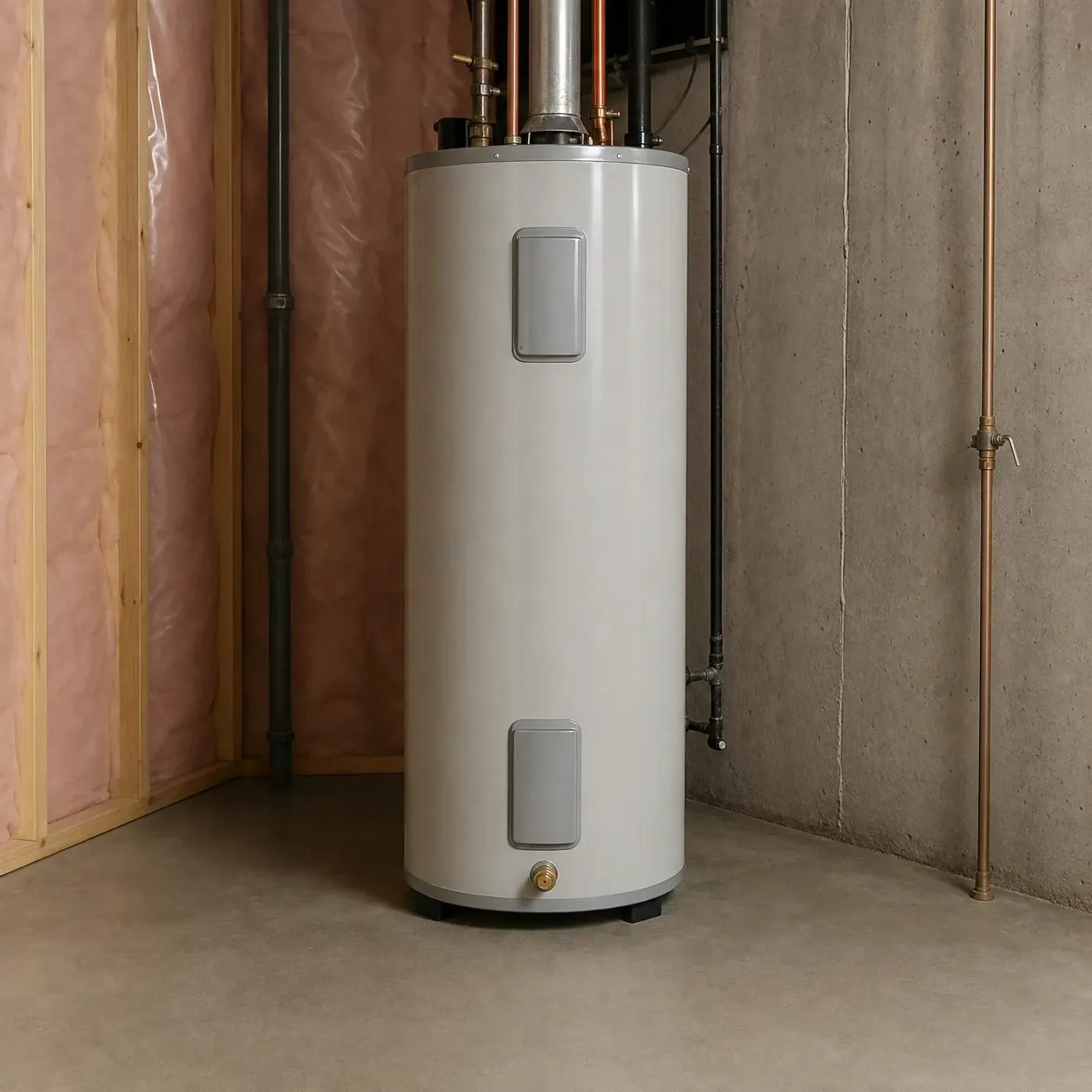
Hand off the water heater problem
A water heater that can't keep up doesn't fix itself with another shower scheduled around it. You've probably already worked out the pattern, who gets hot water and who doesn't, and started rearranging mornings to avoid it. That's not a fix, it's a workaround, and you shouldn't have to keep running it. Finding someone to look at the burner and the tank means searching for a plumber who works on gas water heaters, calling a few, explaining the same thing about recovery time and cold showers to each one, then sitting with quotes trying to guess who's right. Send this request once and that work is done. A licensed contractor takes it from here, and you stop being the one tracking down help while you're also tracking down hot water. The dry heat outside doesn't change what's happening in that tank. Get it looked at and stop rationing showers around a burner that can't keep pace.
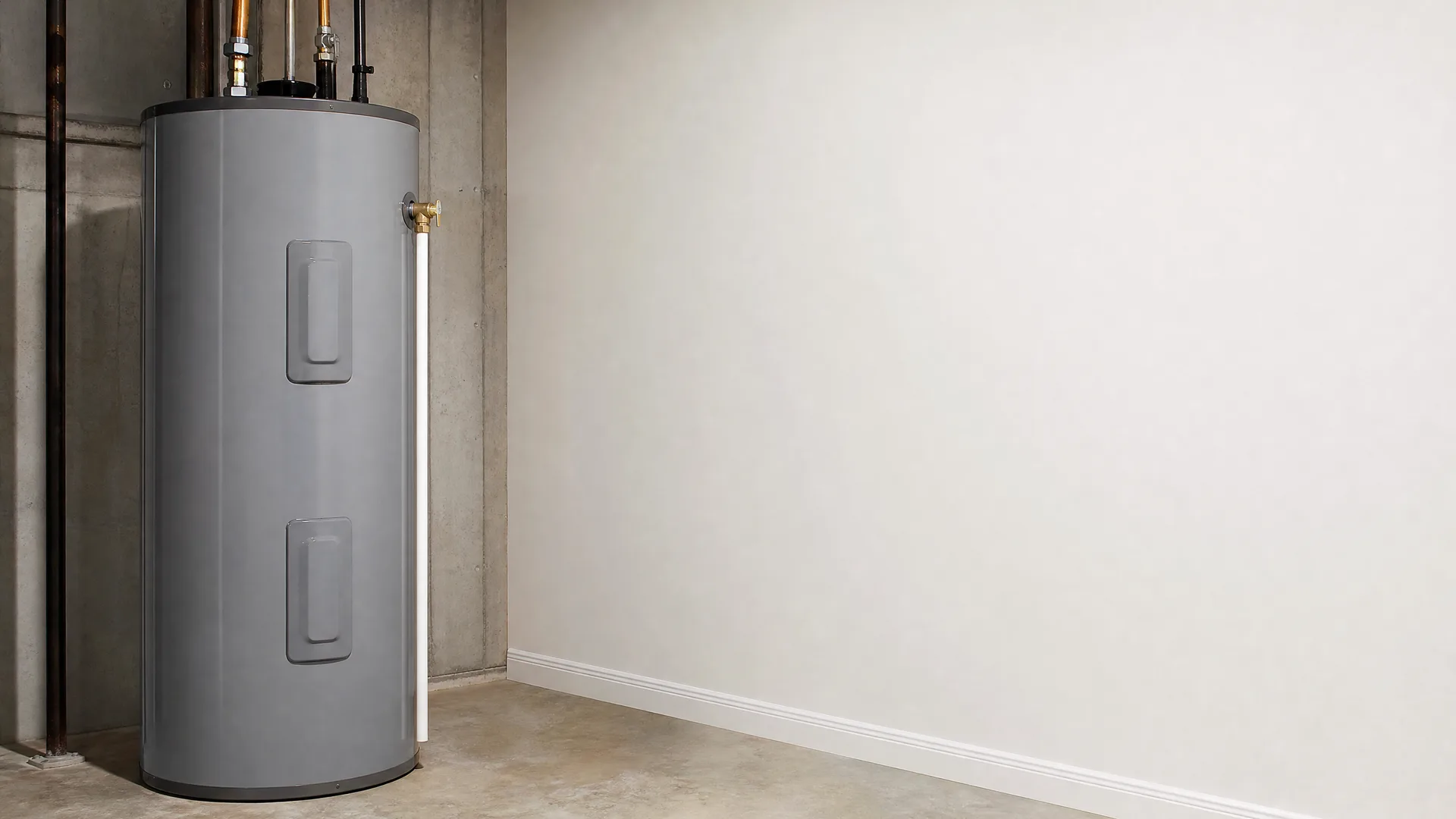
What a short tank costs you
A tank that can't keep up means someone gets a cold shower, every day, until it's fixed. Dishes pile up because the dishwasher and a shower can't both draw hot water at once. Laundry on hot gets pushed to a different day. None of this is dangerous, but it shapes your morning around a tank instead of the other way around, and it doesn't get better on its own.
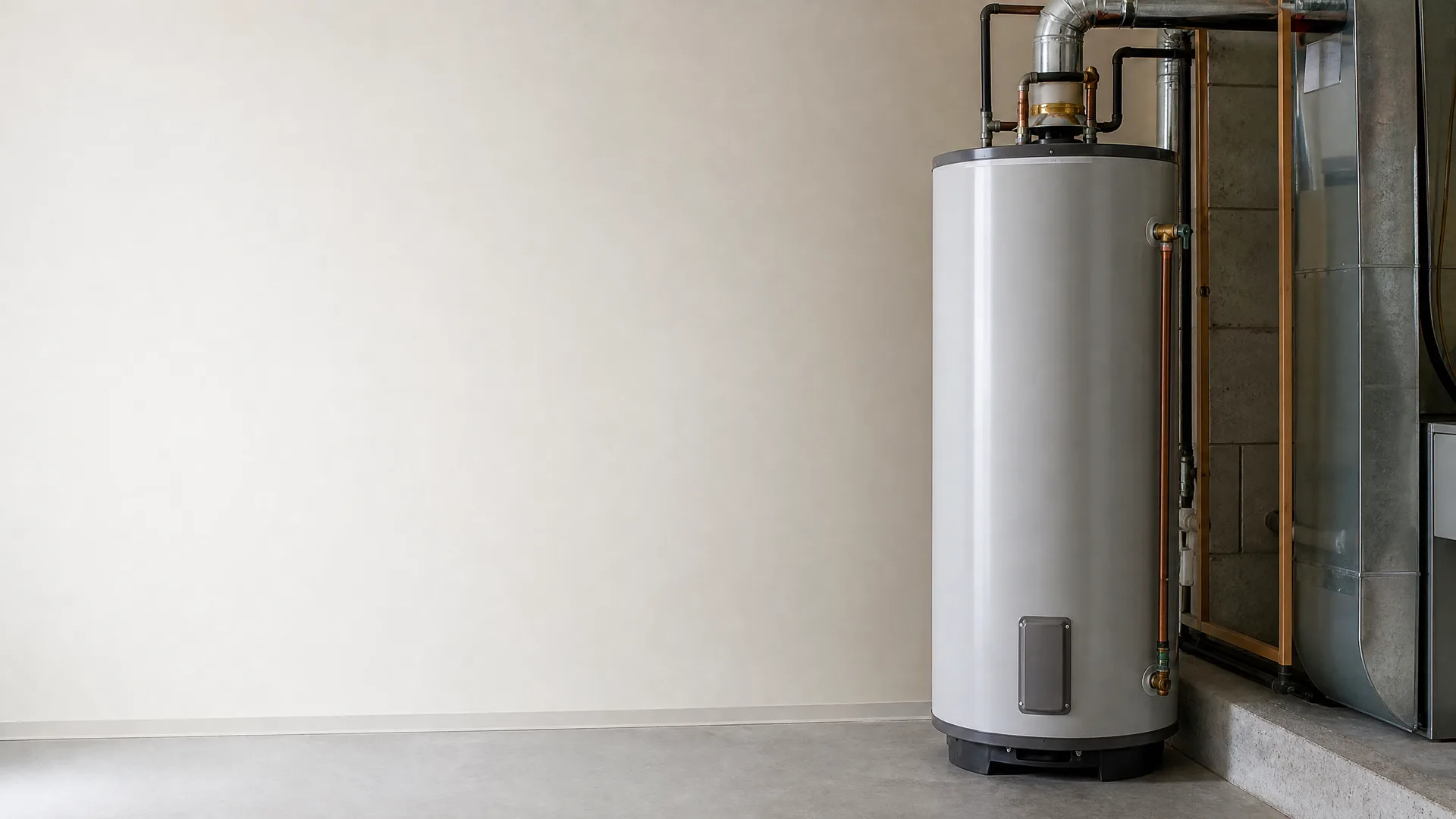
What sediment risks over time
A burner working harder than it should runs longer to get the same result, and that shows up on your gas bill. Left alone, the extra strain can crack the tank lining or burn out the burner itself, which turns a repair into a full replacement. In a state where gas is the fuel almost every home relies on for hot water, a burner that's overworking is worth catching before it fails outright.
Why does your hot water run out so fast
You turn the shower on and it's fine for a few minutes, then it fades to lukewarm and goes cold. Maybe it's whoever showers last. Maybe it's every time the dishwasher runs while someone's washing up. You might hear the burner kick on and stay on longer than it used to, or notice the water never gets quite as hot as it did last year. If this has been going on a while and nobody's looked at the tank, sediment or a weak burner can wear on each other, the burner working harder to push heat through buildup it can't get past, and the tank losing capacity it isn't going to get back on its own.
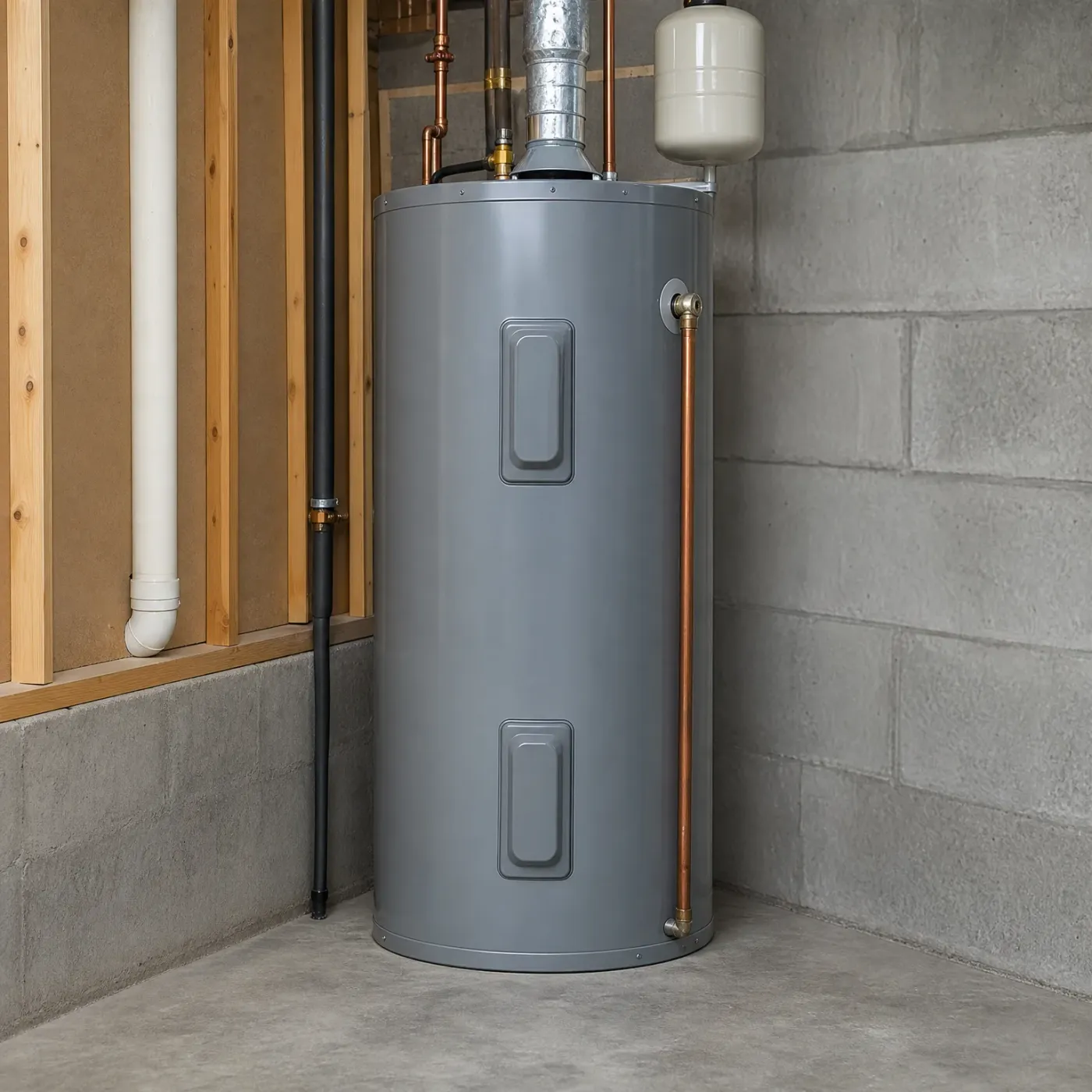
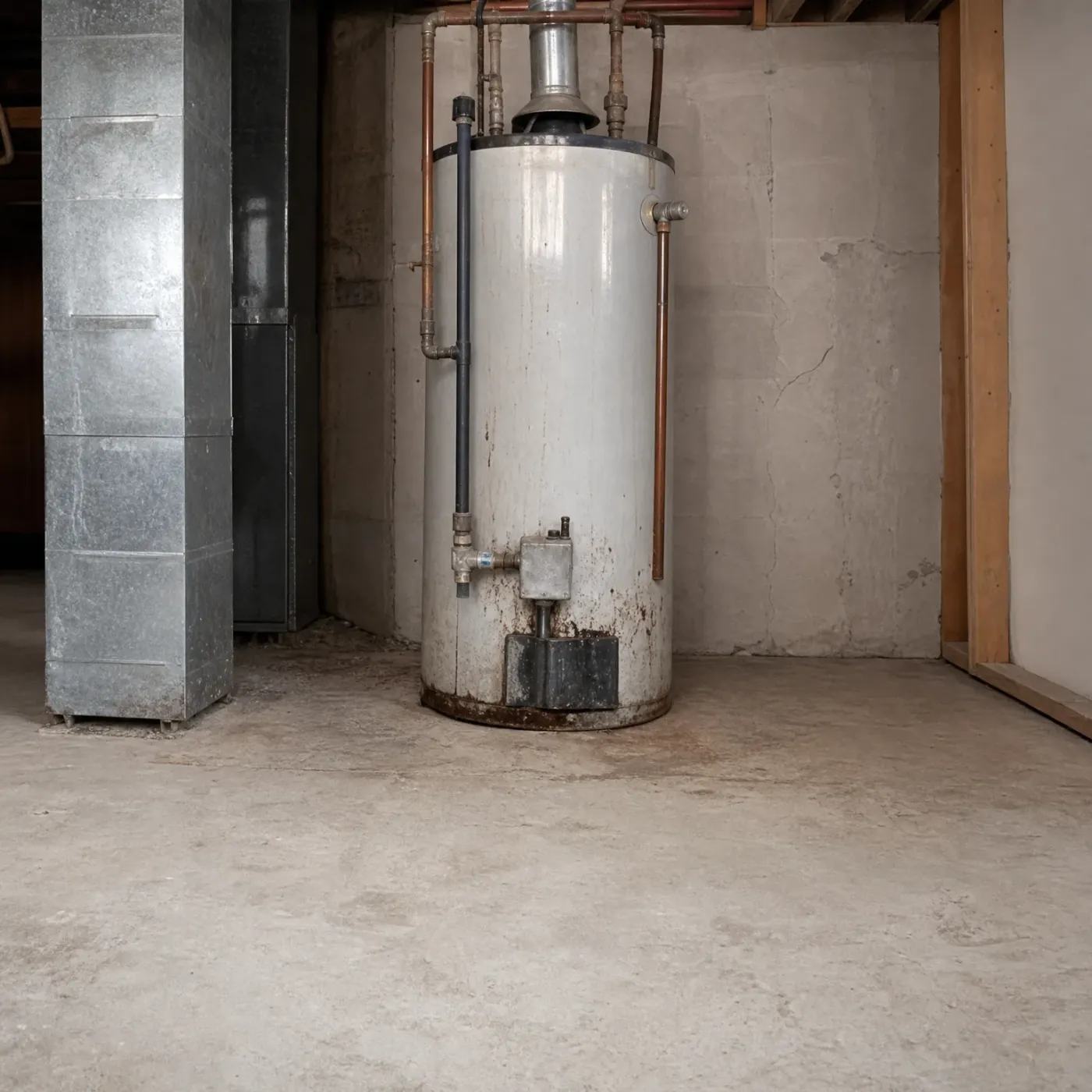
61.7% of homes statewide heat with gas
Most houses in New Mexico run a gas water heater, so when the hot water runs out fast, the burner and the tank size are the first things worth checking, not the wiring or the breaker box.
ACS 2020-2024 5-year B25040

A tank that can't keep up has a cause, and a fix
Running out of hot water fast comes down to a short tank, a burner that can't recover between draws, or sediment sitting between the flame and the water. A repair tells you which one it is and gets the burner and tank working the way they should.
Once you send the form, you're done hunting. No searching through listings, no calling three places and waiting on hold, no explaining the same thing about your shower and your dishwasher to the second person after the first one didn't call back. You've already worked out the pattern in your house. Hand it off and let someone who knows gas water heaters take it from there.

Let someone else find the pro
One form replaces the calls you'd make to find a water heater pro.