Smell Stops Here
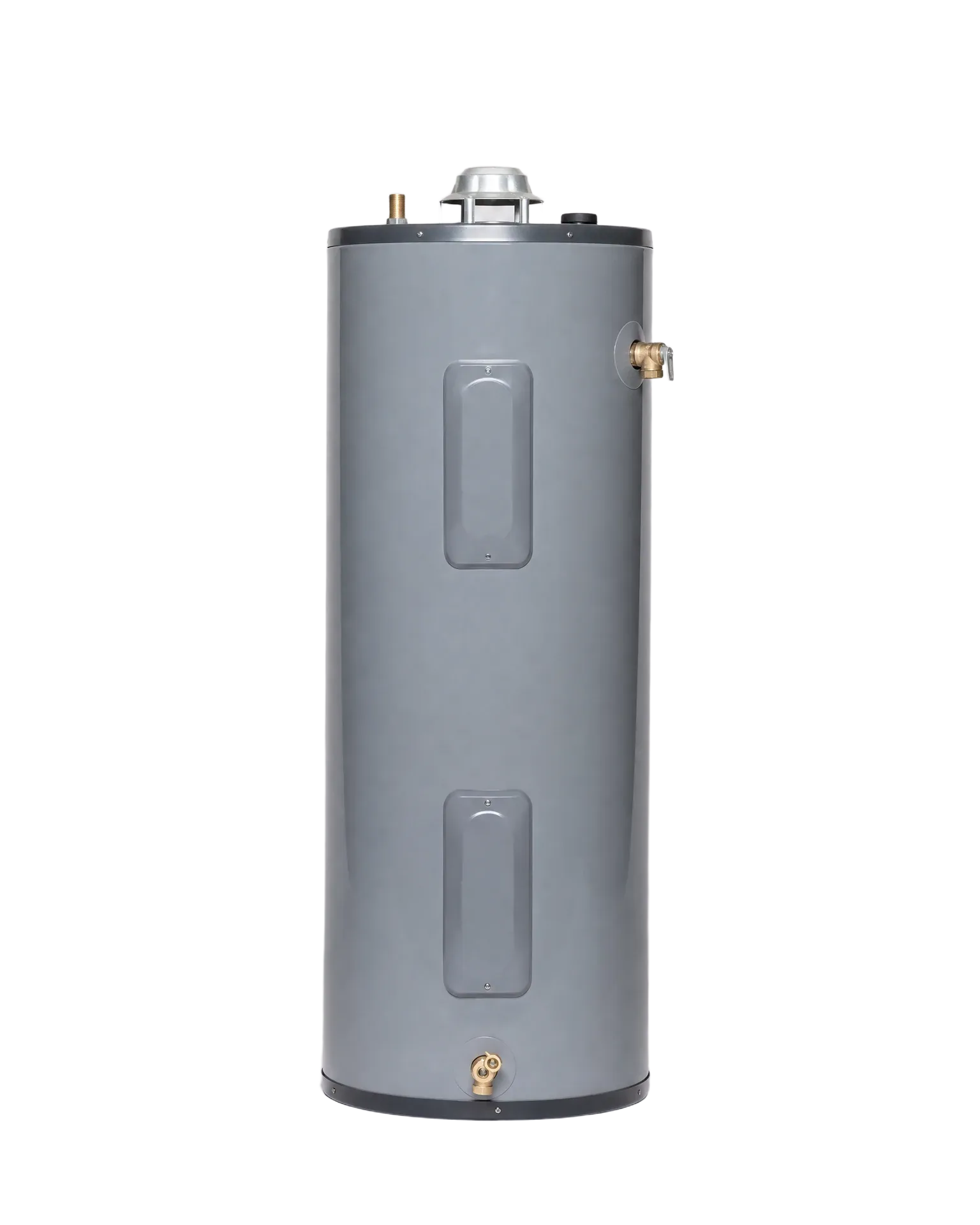
Check the anode rod and the smell traces back to a reaction, not a leak. This tank still does its job, heating water and holding pressure through the relief valve at the top. A rod swap is usually enough to clear it.
You turn on the hot water and the smell hits you right away, like sulfur or rotten eggs. It's not coming from the cold tap, just the hot, which usually points straight at the water heater itself rather than anything in the city supply. It's unpleasant enough that you want to know what's causing it before you keep using that water.
Most water heaters have a magnesium anode rod inside the tank that protects the steel from rust. When that rod reacts with sulfate bacteria that occur naturally in groundwater, it produces hydrogen sulfide gas, which is what smells like rotten eggs. Well water carries more of this bacteria than city water, and a lot of homes in New Mexico run on wells, so this shows up often here. The smell doesn't mean the water is unsafe, but it does mean the rod needs attention. Left alone, the rod keeps feeding the reaction, and the smell keeps coming back every time you run hot water.

You turn the shower on and go find a towel while it heats up. Back in the bathroom there's no steam on the mirror yet, just the sound of water running. You reach in to check the temperature and that's when it hits you, sharp and sulfurous, rising up with the heat. The towel's already on the rail. Outside the window the sky is doing that flat, bright New Mexico morning thing, dry and clear, nothing about the air to explain this. You turn the water off for a second like that'll help, then back on. Same smell. You stand there a moment longer than you meant to before you step in anyway.
Check the anode rod and the smell traces back to a reaction, not a leak. This tank still does its job, heating water and holding pressure through the relief valve at the top. A rod swap is usually enough to clear it.
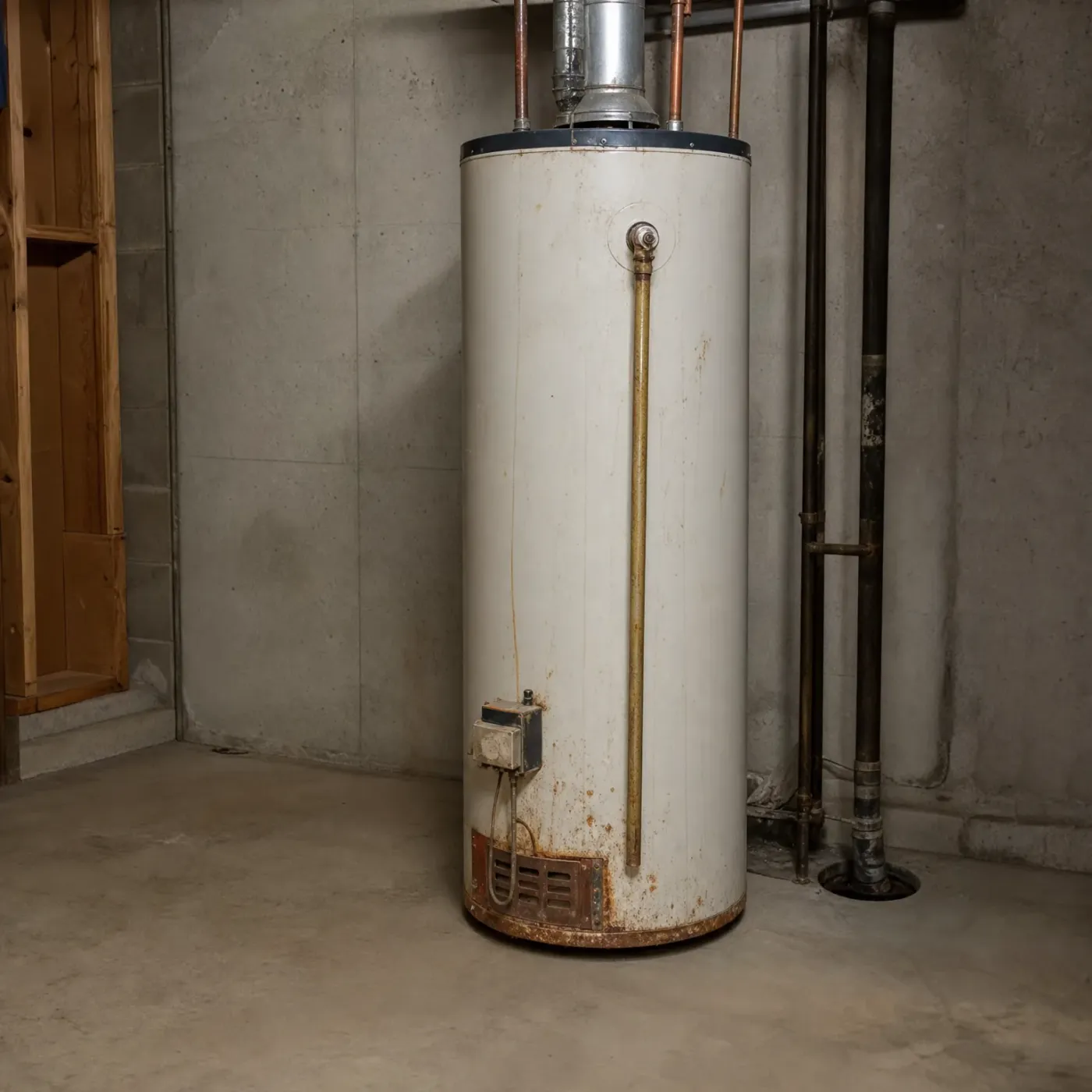
Rust along the base and discoloration like this mean the tank itself is breaking down, not just the rod inside it. A gas water heater in this shape can start leaking at the seams. At this point a contractor is checking whether repair still makes sense or if replacement is the safer call.


That sulfur smell in your hot water isn't something to live with until it fades on its own, because it usually doesn't. The reaction inside the tank keeps going every time the heater runs, which in a gas water heater is often enough through a New Mexico summer to keep that smell showing up every time you turn on the tap. A contractor who's seen this before can tell quickly whether a rod swap clears it or whether the tank itself is the problem, something that's hard to know for sure just by smelling the water. Left alone, the water stays usable but unpleasant, and most people stop noticing it's a small fix rather than something to put up with. Getting a contractor out to look at it means you're not the one tracking down who handles this or whether they're free. That part moves off your plate once you send the request, and the smell stops being something you just get used to.
Most water heaters in New Mexico run on gas, and gas tanks tend to run cooler than electric ones between cycles. Sulfur bacteria that react with the anode rod do best in that cooler, less active water, so a gas tank sitting overnight or through a slow afternoon gives the reaction more time to build up before the burner kicks back on. Electric heaters cycle more evenly and keep the water moving through a narrower temperature range, which gives the bacteria less of a window. None of this means the gas tank is failing. It just means the smell shows up sooner and comes back faster if the rod isn't addressed.
A contractor will usually pull the anode rod before touching anything else, since that single part explains most cases of this smell. The rod sits down inside the tank and can be removed without draining the whole unit in most setups. If the magnesium rod is heavily corroded, that's the reaction playing out in real time, and swapping it for aluminum or zinc-alloy stops the chemistry at the source. If the rod looks fine, the next check is usually the water itself, since some well or municipal supplies carry sulfur compounds that no rod change will fix.




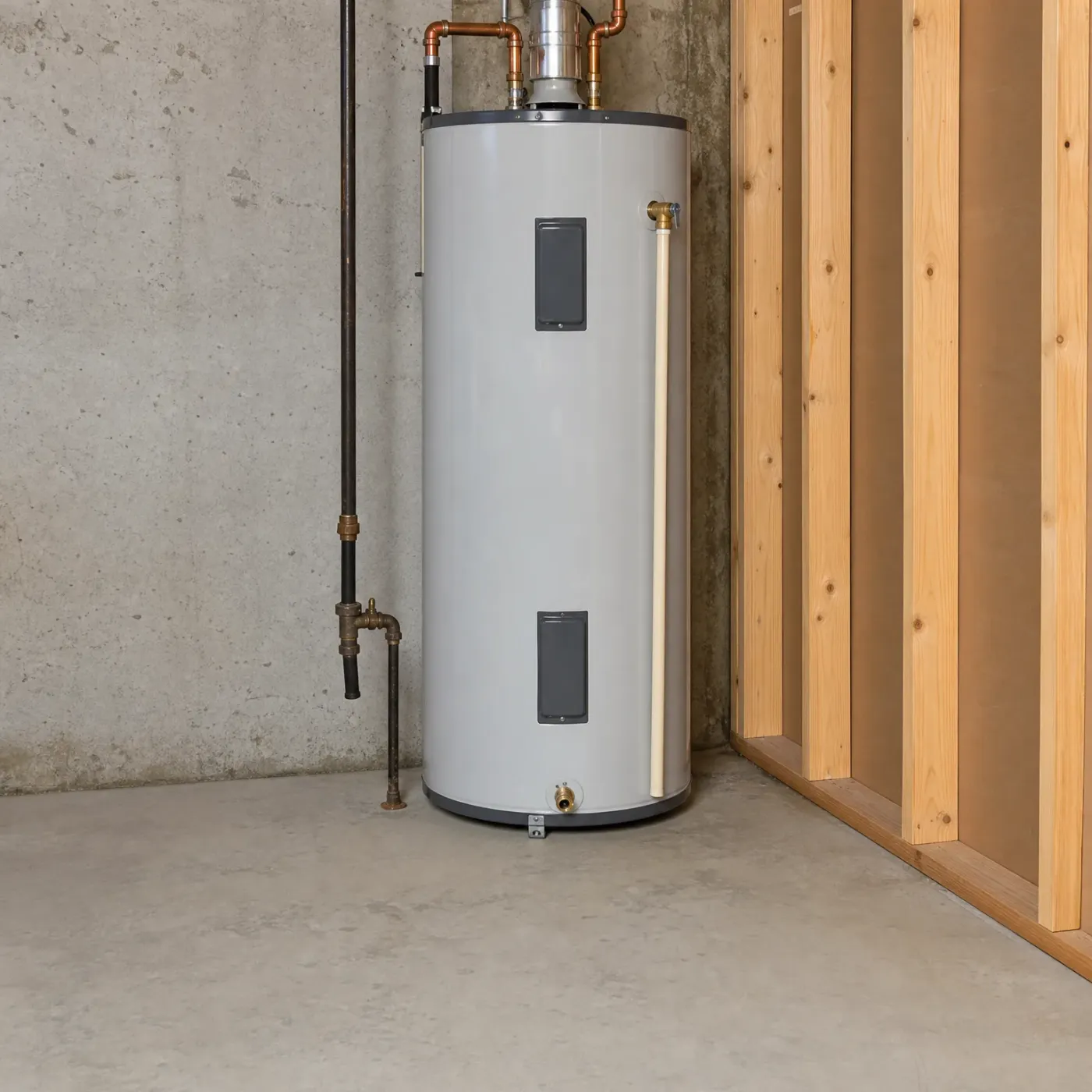
If just the hot tap smells and the cold runs clean, the problem sits inside the tank. A contractor can check the anode rod and confirm it before anything gets replaced.
If cold water smells too, the cause may be the well or supply line rather than the heater. That calls for a different look, and a contractor can trace it to the source.
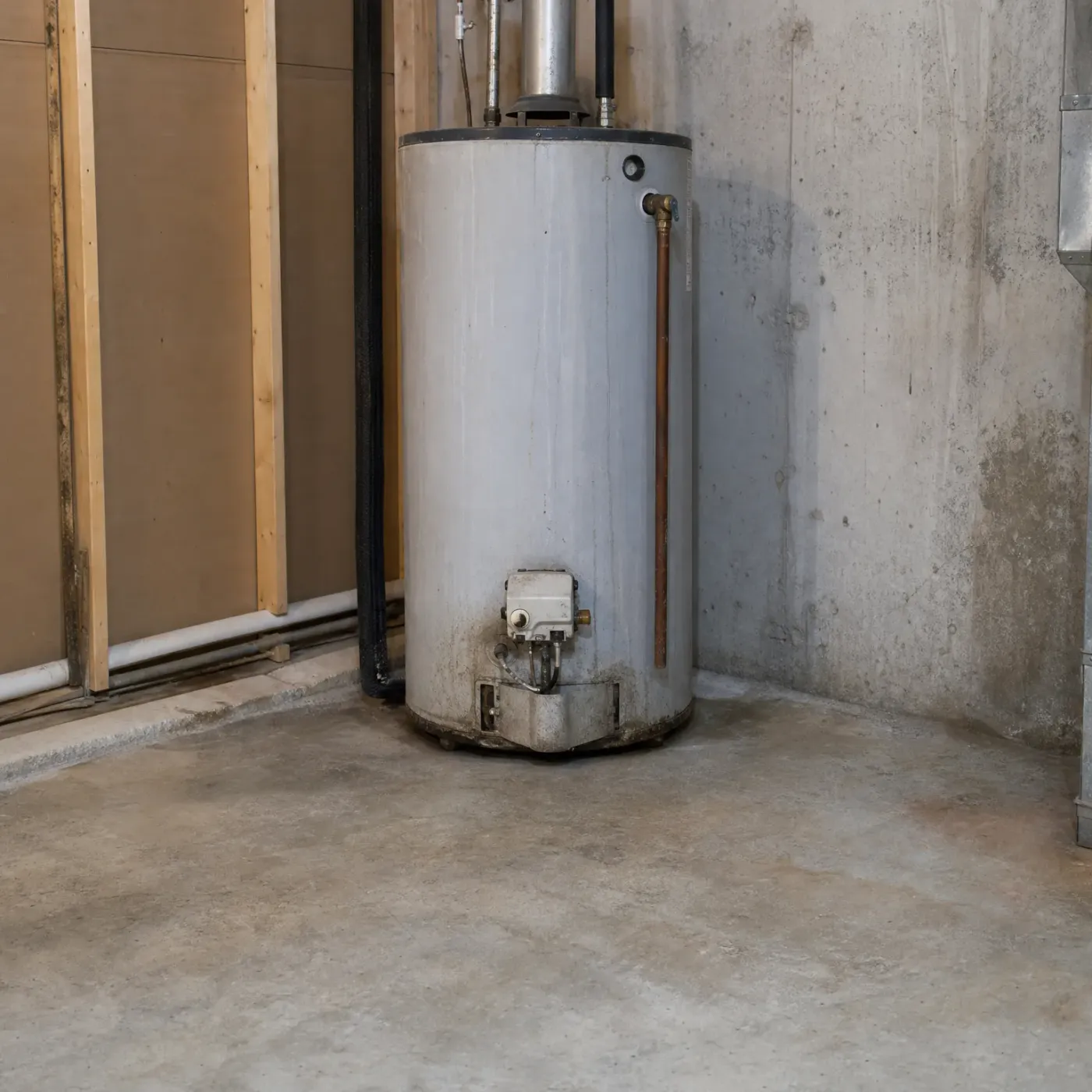
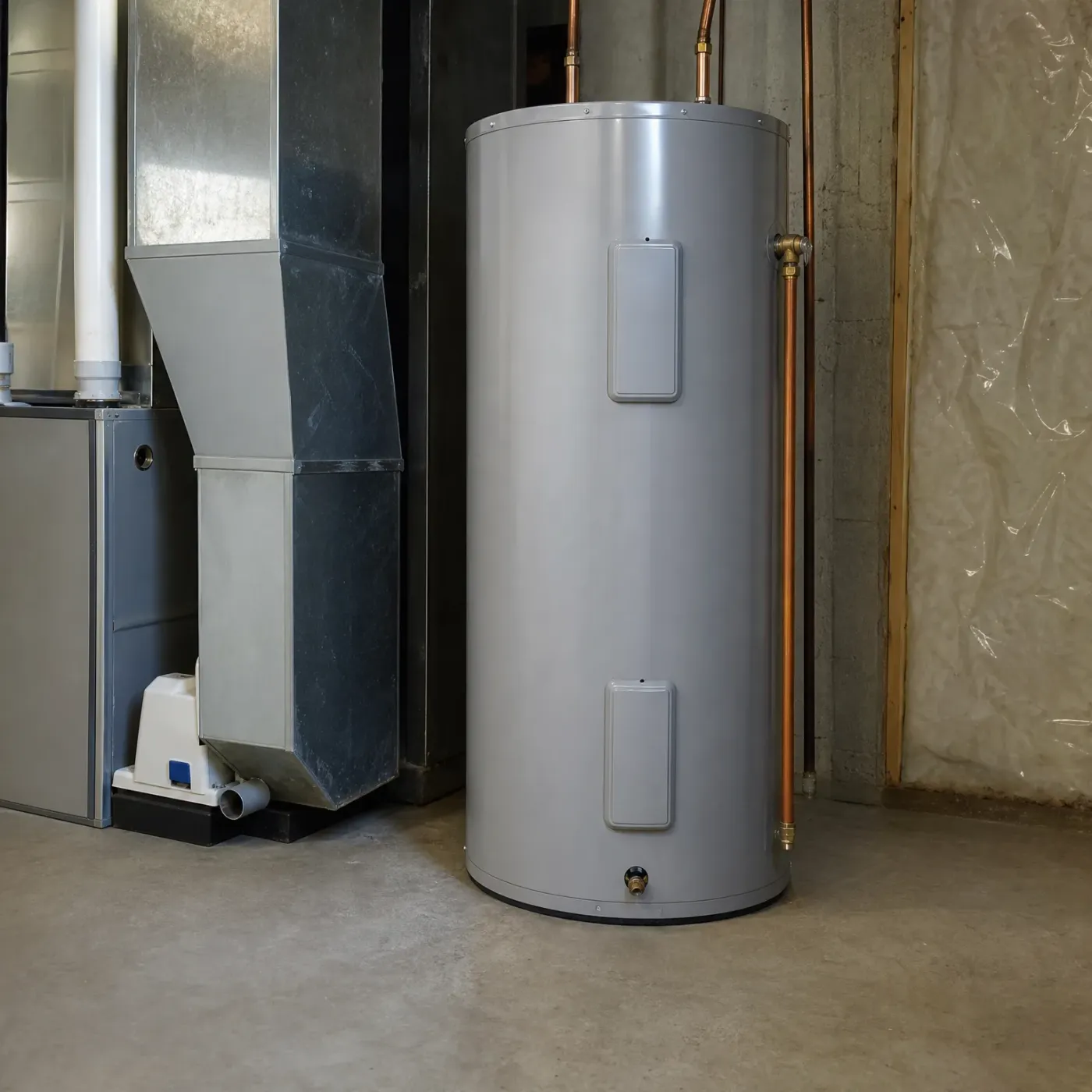
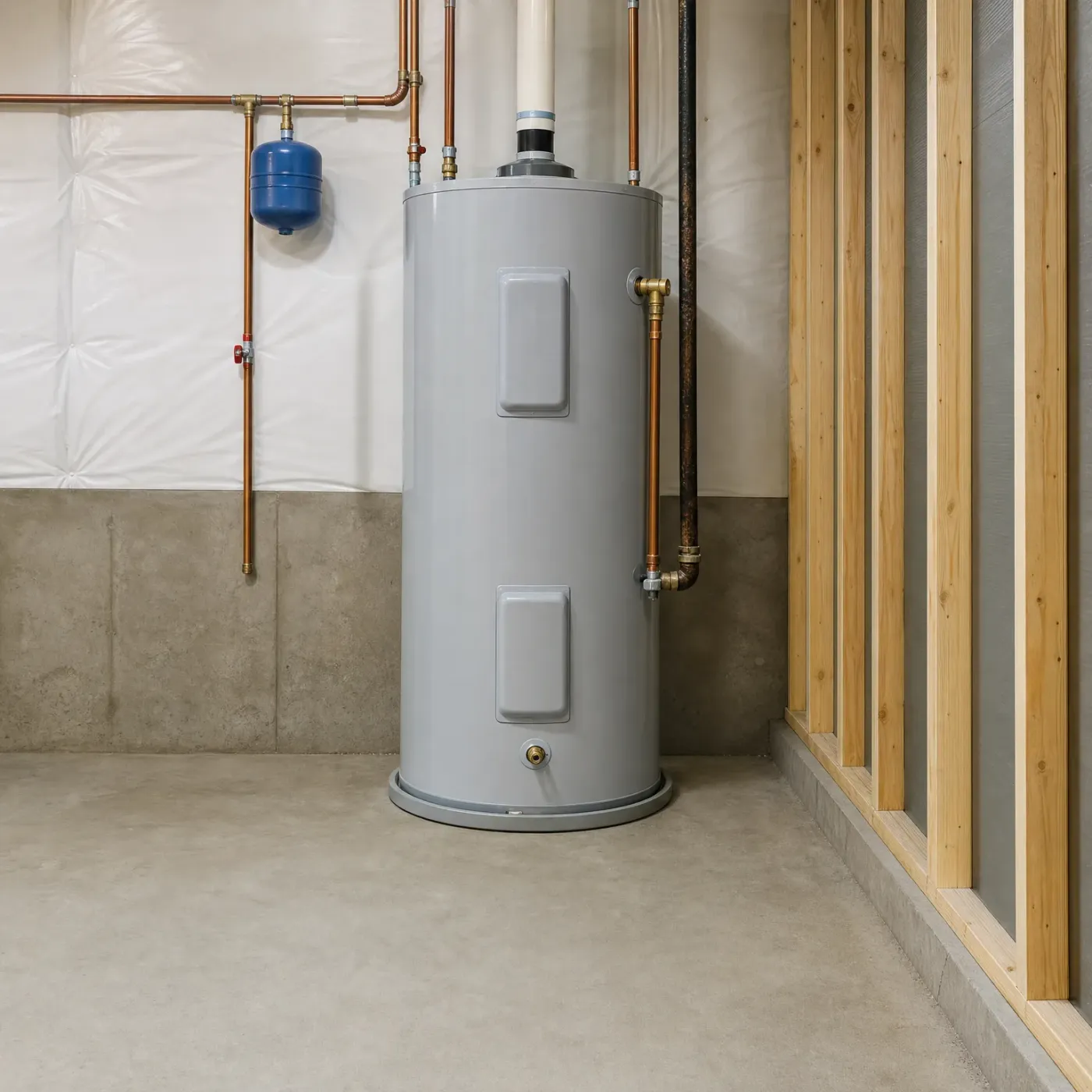
This tank is clean at the connections and the copper lines running to it show no sign of trouble. Water heated here comes through odor free, which means the rod inside is still doing its job without a reaction building up.
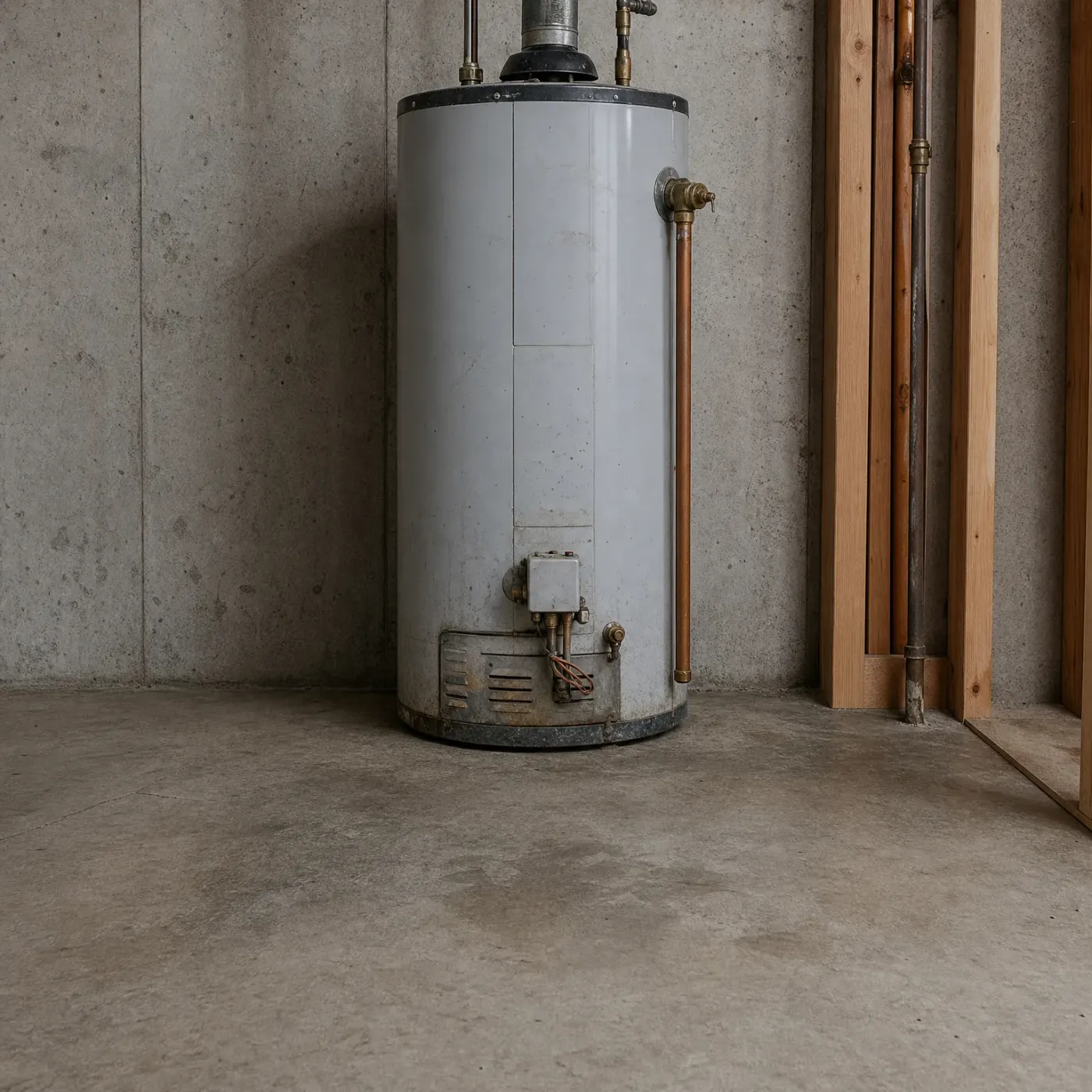
Wear like this around the burner area often lines up with a tank that has been running the same anode rod for years. Once rust and grime show up on the outside, the reaction causing the smell has usually been going on inside for a while.
Most homes in New Mexico heat water with gas, and gas tanks sit between cycles longer than electric ones do. That extra idle time is exactly when sulfur bacteria go to work on the anode rod, which is why this smell turns up so often here.
ACS 2020-2024 5-year B25040
The sulfur smell in your hot water comes from a reaction between bacteria and the anode rod inside the tank, and it doesn't clear up by running the water longer or waiting it out. A contractor can confirm whether a rod swap solves it or whether the tank itself has had enough, and either way the smell has a fix that doesn't involve living with it through another New Mexico summer. Once you send the form, you're done hunting for who to call. A contractor who handles this gets matched to you, and the work of figuring out who's available and who to trust stops sitting on your plate. You still have a decision to make once they reach out, but finding them isn't on you anymore. The water coming out of your tap should smell like nothing at all. That's not a high bar, and it's one your water heater can meet again.
Send the request and finding a pro stops being your problem.