








Get Hot Water NM
Profile view of a bearded man wearing a dark green baseball cap and a dark gray T-shirt against a plain light background.

Why your water heater is slow to recover in New Mexico

Step 1 of 3: Equipment

Why is my water heater so slow to recover in New Mexico?

You run the tap after a shower and it takes a long time for the hot water to come back. In most New Mexico homes the water heater runs on gas, so when recovery lags it usually isn't about the power supply or a breaker. It's something with the burner, the gas supply to it, or buildup inside the tank keeping the burner from doing its job.

A weak burner flame or sediment in the tank is slowing recovery

Most gas water heaters recover slowly because the burner isn't putting out enough heat to warm the full tank quickly, or because sediment has built up on the bottom of the tank and sits between the burner and the water above it. Either way the flame is working but the heat isn't reaching the water the way it should. In New Mexico, the gas supply itself is rarely the problem since gas heat is standard here and lines are sized for it. The more common cause is a burner that needs cleaning or adjustment, a thermocouple or igniter not holding flame steady, or a tank that's never been flushed and has sediment layered on the bottom.

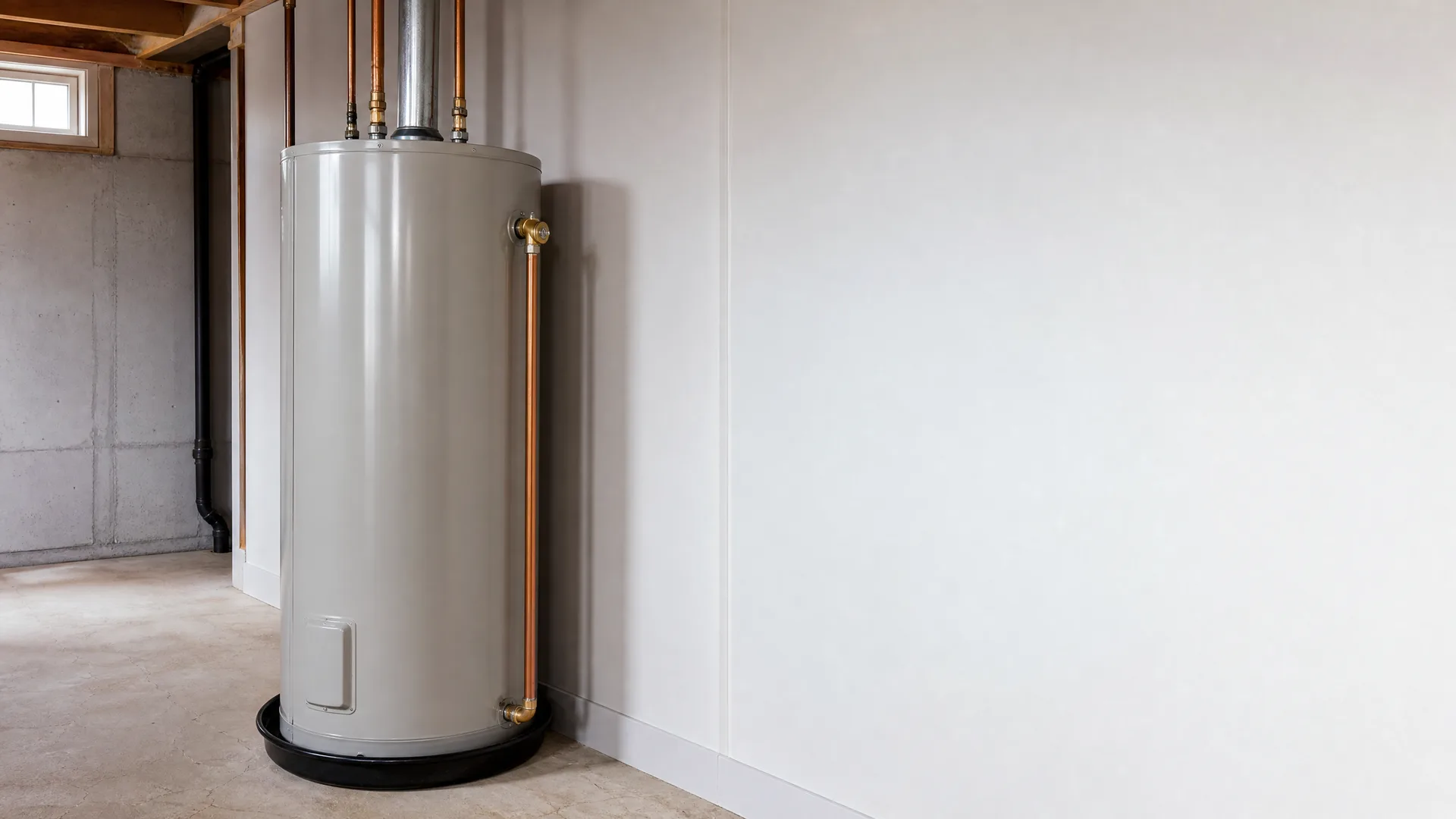
A beige cylindrical water heater with copper pipes and a black drain pan stands in a corner of a basement with white walls, a concrete wall and small window at left, and a concrete floor.

What slow recovery looks like

A gas water heater that's recovering the way it should will have the tank warm again within an hour of a full draw. If you're waiting two or three hours, or the water never gets fully hot again until the next day, something in the gas side isn't keeping up. That's usually the burner not getting enough flame, or a thermocouple or igniter that's letting the burner cut out early.

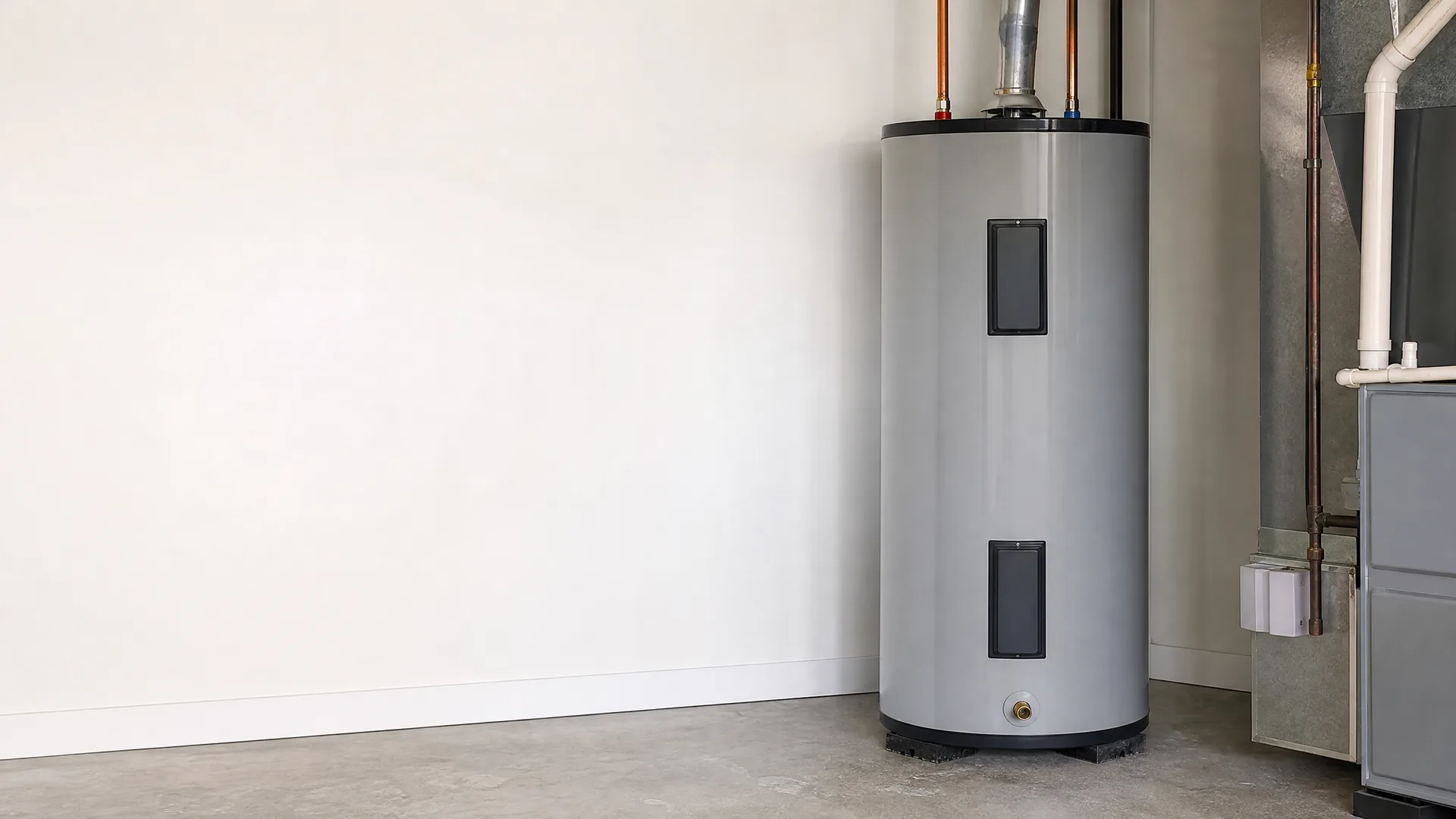
A gray cylindrical water heater with two black access panels stands on a concrete floor against a white wall, with copper pipes and a flue above it and ductwork to the right.

Dry air changes how sediment builds

New Mexico's water tends to run hard, and in a gas tank, sediment settles on the bottom right where the burner is aimed. A thin layer insulates the water from the flame, so the burner runs longer to do the same job. Enough buildup and the burner can't push heat through it fast enough, and recovery slows down well before the tank stops working.

A smiling man in a denim shirt and white t-shirt stands in an open dark doorway of a stucco house, facing a woman with long brown hair and a green jacket seen from behind in the foreground.

What it means for your mornings

In your house that usually shows up as the second shower running cold, or dishes waiting until the tank catches up. A gas water heater that's behind on recovery doesn't fix itself. Whatever is slowing it down, a dirty burner, a failing thermocouple, sediment sitting between the flame and the water, stays there and gets worse. Some households just shift showers around it. That works until the morning it doesn't, usually when someone has to be somewhere.

If you're the kind of person who deals with a problem like this before it turns into a cold shower on a Tuesday, the part that actually takes time isn't the repair. It's finding someone who works on water heaters in New Mexico, calling them, describing what the tank is doing, and doing that again with two more contractors to see who can come out soonest. Once you answer a few questions about your unit, that search is handled and a contractor who works on gas water heaters in your area follows up with you directly.

Interior corner with a beige sofa holding a dark green and a light cushion and a textured throw, a potted small-leaved tree beside a white-framed window, and a dark shallow bowl on a wooden coffee table in the foreground.
  1. Burner fires and heats the bottom of the tank.

  2. Heat moves up through water to the flue.

  3. Thermostat checks the temperature and keeps the burner lit.

  4. Burner shuts off once the set temperature is reached.

Is this something you should let go a while longer?

A water heater that's slow to recover usually doesn't stay at just slow. If a burner isn't firing the way it should, or the thermostat is reading wrong, the tank works harder each time to catch up, and that shows up on your gas bill before long. Left alone, a burner problem can get to where it won't stay lit at all, and then you've got no hot water instead of slow hot water. If you've noticed a sulfur smell near the tank, or soot around the burner access panel, that's worth paying attention to now rather than waiting for it to clear up on its own, because it won't.

A woman in a gray turtleneck sweater stands by a window looking outside at snowy ground, with a dimly lit living room containing a sofa, shelves, lamp and a lit candle behind her.
A woman in a cream cable-knit turtleneck sweater stands in a warmly lit living room with a fireplace and shelves behind her, looking out a window toward snow-covered trees and a railed deck.
A woman in a cream knit turtleneck sweater stands by a window looking out at snow, with a lit fireplace, sofa and lamp in the room behind her.
A woman in a gray knit sweater sits by a window looking out at falling snow, with a dimly lit living room containing a sectional sofa, pillows, a lamp and houseplants behind her.
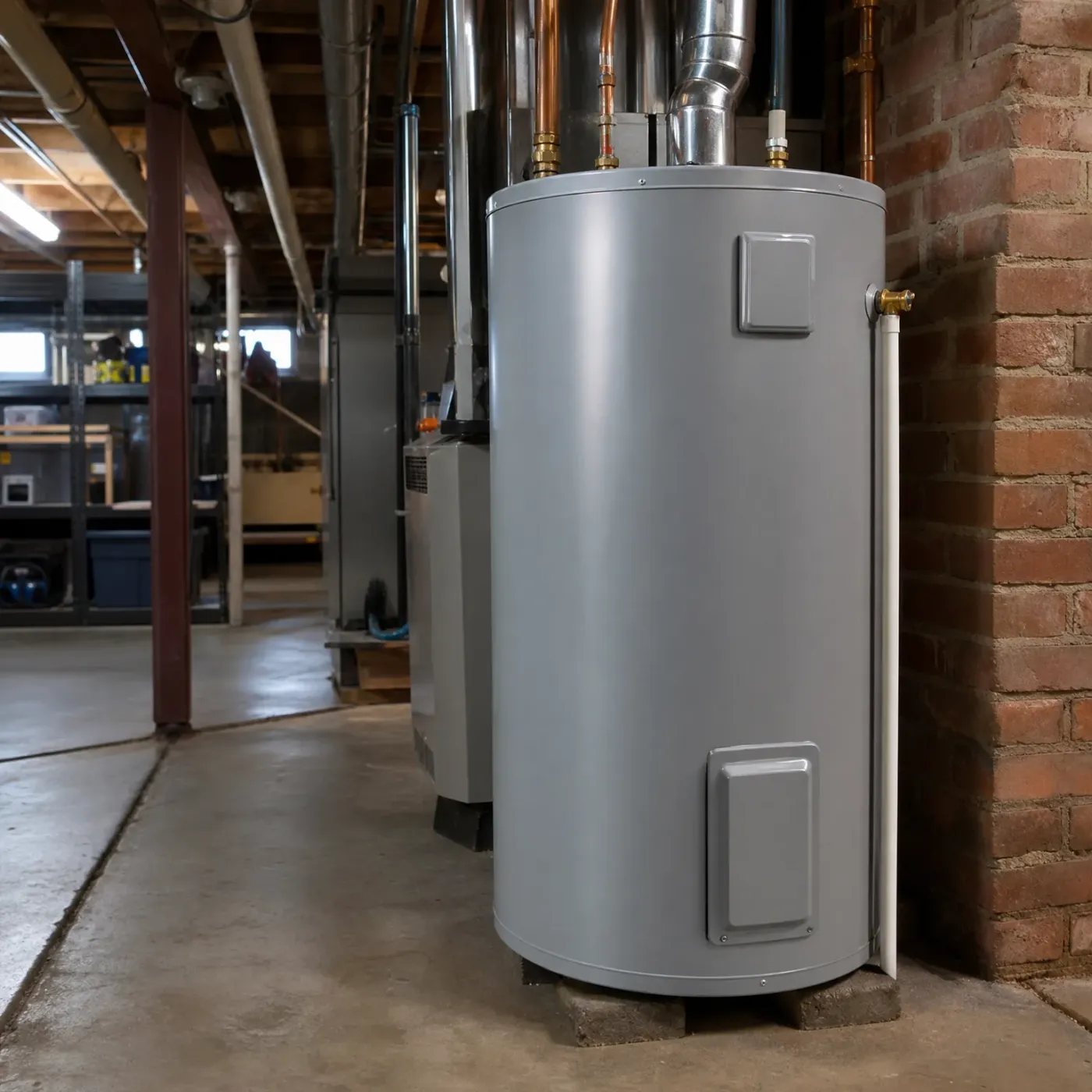
A gray cylindrical water heater with two access panels stands on concrete blocks beside a brick wall in a basement, with copper and metal pipes above and shelving visible in the background.

The right pro for this job

Describe what your water heater is doing once, in one form.

A local pro who knows water heaters gets your details and gets in touch.

Skip the search

You only hire the pro if you want to.

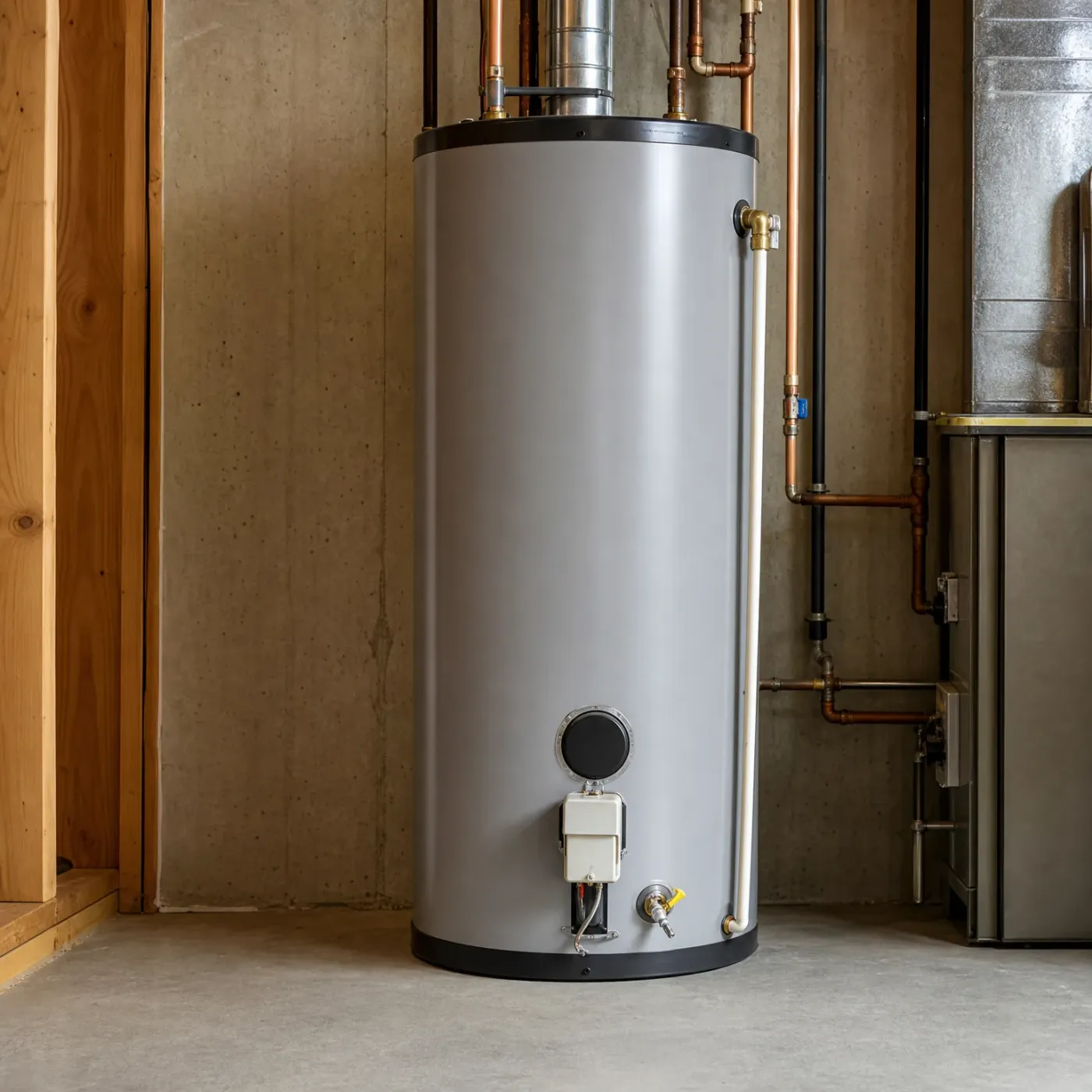
A gray cylindrical water heater stands on a concrete floor against a concrete wall, with copper and black pipes running overhead and a metal duct and dark equipment cabinet to the right.
A water heater keeping pace with your house will have the burner cycling clean and the tank back to full heat within the hour.
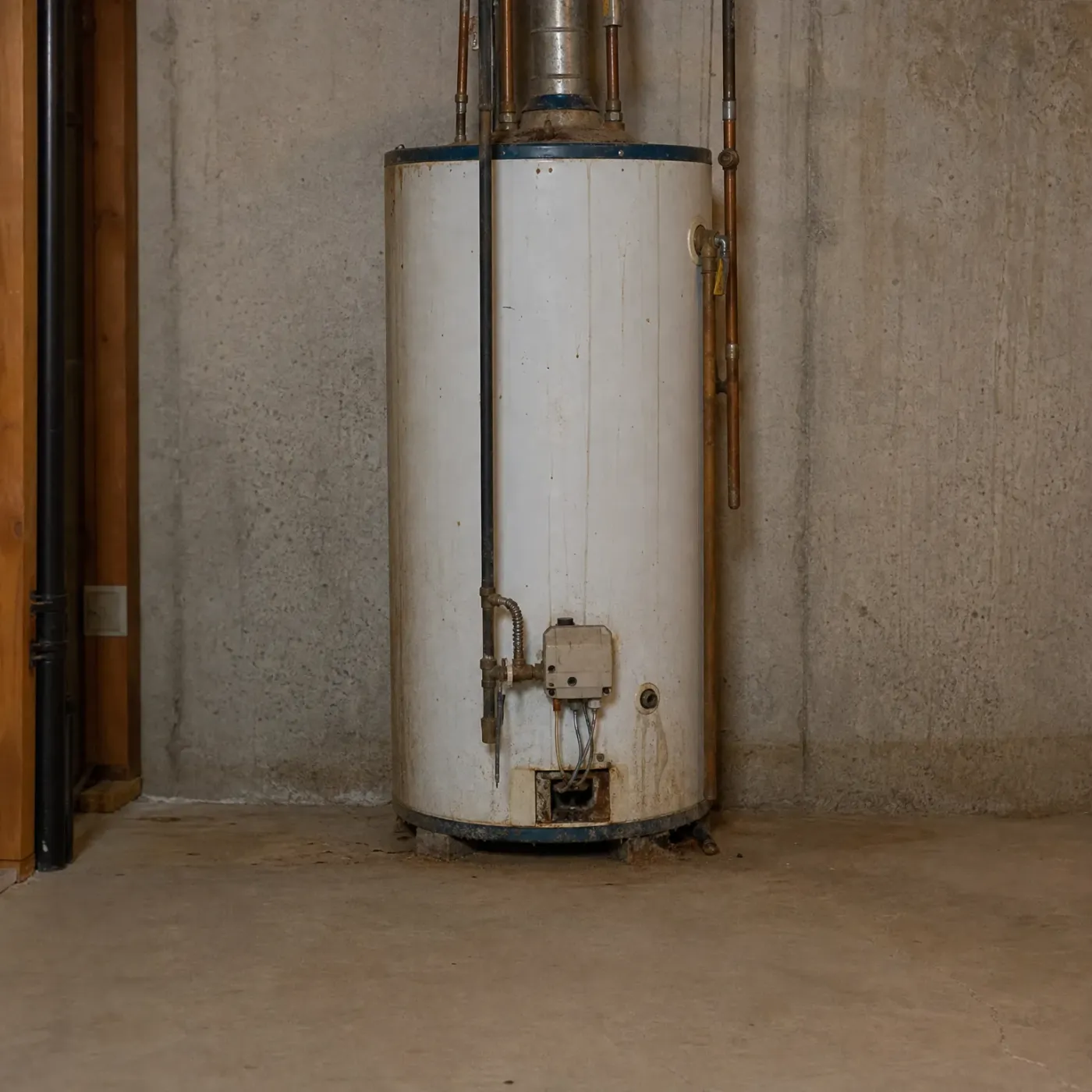
An old white gas water heater with rust stains, copper pipes and a flue stands in the corner of a concrete-walled room with a bare concrete floor and a wooden door frame at left.
A water heater this far gone, with rust bleeding down the tank and the flue eaten through, won't recover on its own schedule anymore.

A gas water heater only recovers as fast as heat can get from the burner into the water, and a few things get in the way of that. Sediment that's settled on the bottom acts like a layer of insulation between the flame and the tank, so the burner's working but the heat isn't reaching the water the way it should. A weak flame, the yellowish kind instead of a steady blue, puts out less heat on every cycle even if it's lighting fine. Inside the tank, a cracked dip tube lets incoming cold water mix in near the top, right where your hot water draws from, so what comes out of the tap is cooler than the thermostat thinks. A thermostat that's reading wrong can cut the burner off early, before the tank's actually caught up. And if the tank itself is just undersized for your household, none of that matters much, since it was never going to keep pace to begin with.

What's actually slowing the tank down

  • A tank sized too small for your household will always lag on recovery, no matter how clean the burner is.
  • Sediment settling on the bottom of the tank sits between the burner and the water, slowing how fast heat gets through.
  • A burner that only partially lights, or lights with a weak yellow flame instead of a strong blue one, puts out less heat per cycle.
  • The dip tube feeds cold water to the bottom of the tank, and a broken one lets cold water mix in near the top where the hot water draws from.
  • A thermostat reading the water temperature wrong can shut the burner off before the tank is actually full of hot water.
  • Gas pressure that's too low at the valve means the burner fires but never reaches the heat it's rated for.
A bearded man in a blue and brown plaid flannel shirt stands indoors looking out a window at snow-covered trees, with a ceramic mug on the windowsill.
A man in a blue T-shirt sits on a light gray sofa, laughing while looking at an open laptop in the foreground, with a framed picture, lamp and potted plant behind him.
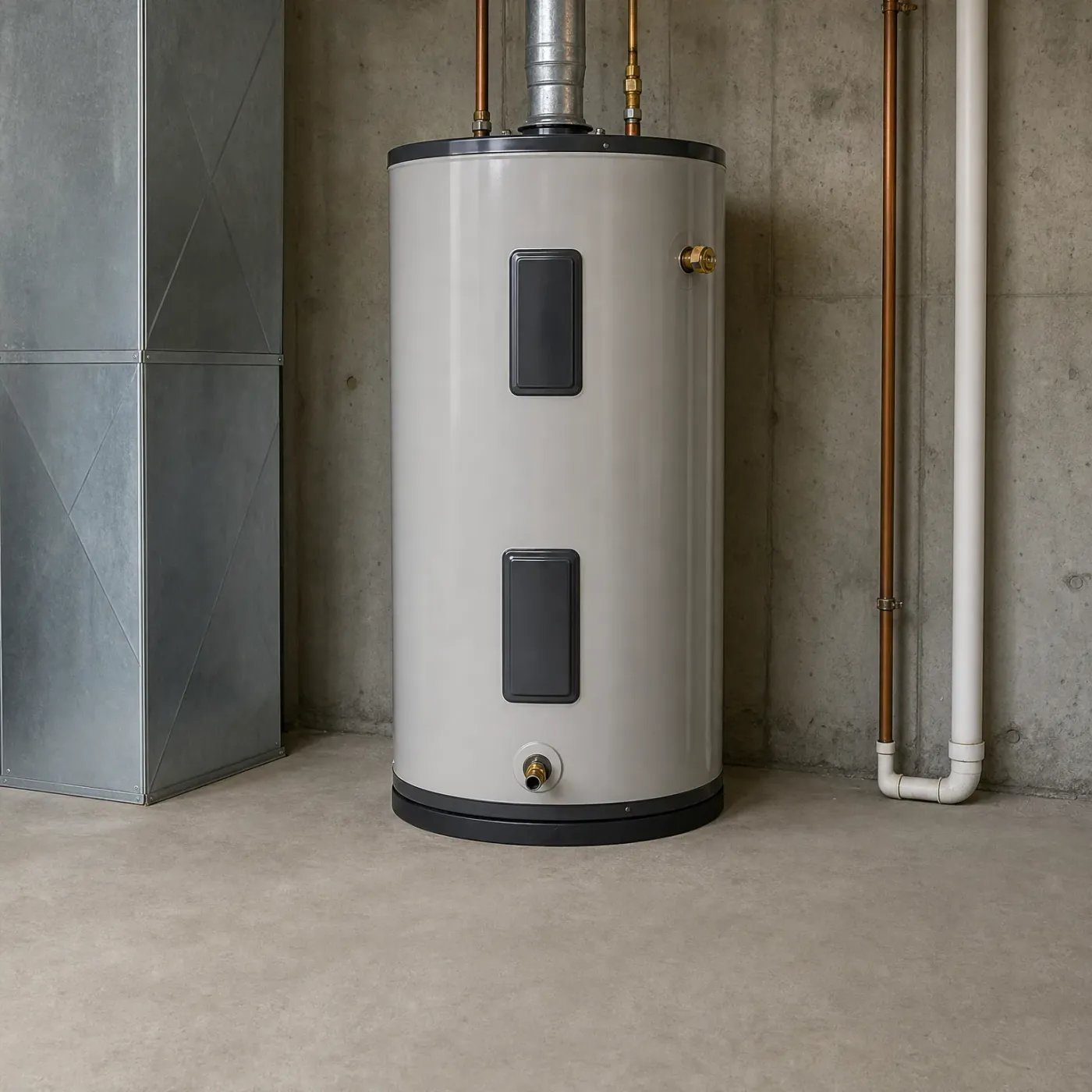
A cylindrical beige water heater with two dark access panels stands on a concrete floor against a concrete wall, with copper and white pipes to the right and sheet-metal ductwork to the left.

Working the way it should

This is a tank keeping up. The burner lights, runs its cycle, and shuts off clean. Pipes run tight along the wall, the drain valve sits dry, and the tank reheats within the hour after a full draw. Nothing here is asking for attention.
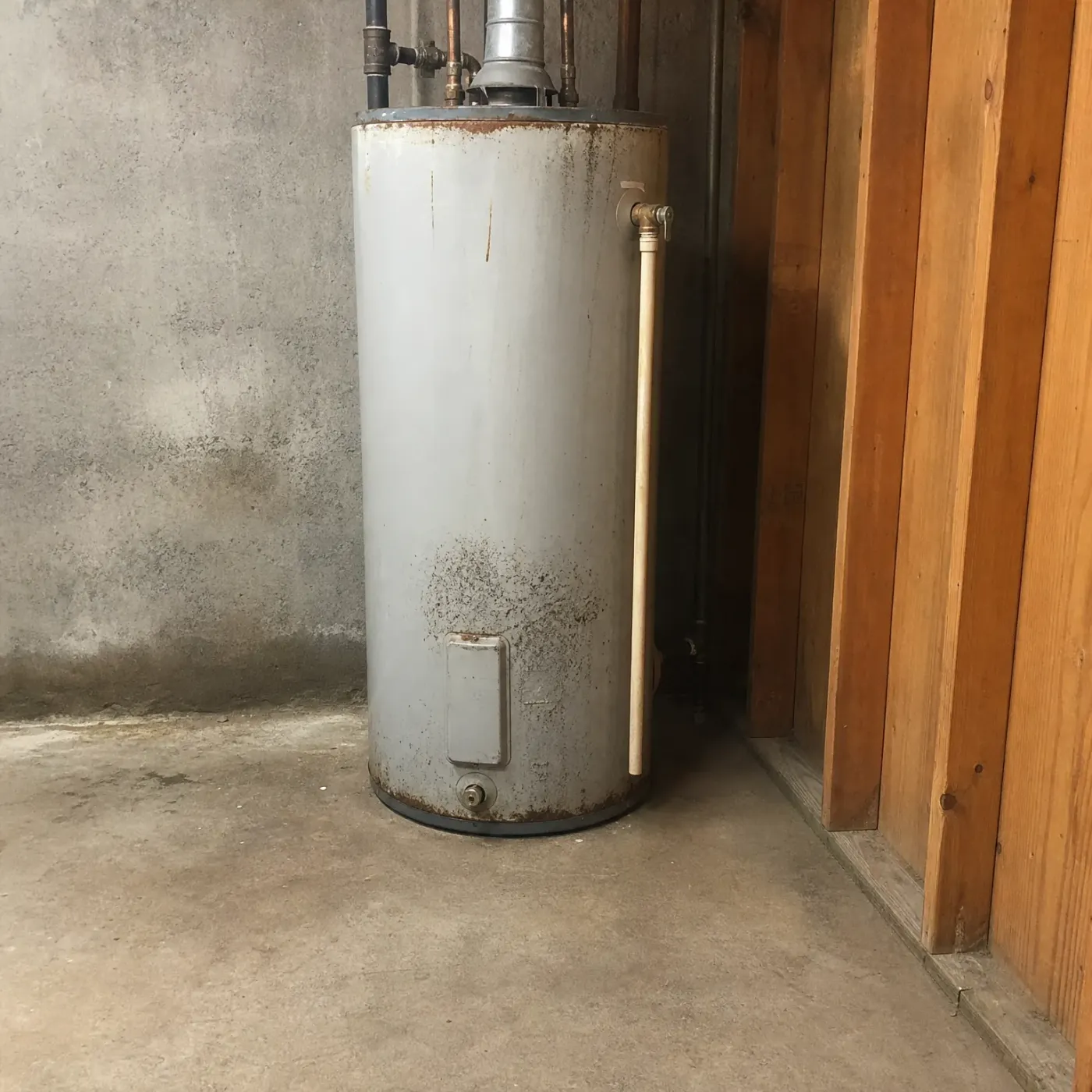

A rusting gray cylindrical water heater with copper pipes and a drain tube stands on a concrete floor against a concrete wall beside vertical wood paneling.

Falling behind on recovery

Rust has worked down the side of this tank and soot has collected near the base, a sign the burner isn't firing clean. A tank in this shape takes longer to reheat with each draw, and the corrosion you can see usually means the inside is worse off.

61.7% of homes statewide heat with gas

Most houses in New Mexico run their water heater on gas, same as the furnace. That means a slow recovery almost always traces back to the burner or the thermostat, not a breaker or a power issue. Worth ruling out before anything else.

ACS 2020-2024 5-year B25040

A slow water heater in New Mexico is almost always a gas burner or thermostat problem, not a power problem. Sediment, a bad thermostat, a burner that won't fire all the way, a tank that's rusting through, all show up the same way at your tap: water that never quite catches up. Left alone it doesn't level out, it gets worse, and the fix gets bigger the longer you wait. You already know that about small problems, which is why you're reading this instead of ignoring it. What you don't have to do is spend your evening calling plumbers, describing the same slow recovery four different times, and lining up quotes to see who sounds right. Answer a few questions about what your water heater is doing and a contractor who works on gas water heaters in your area will get in touch. The recovery problem is still a job for someone with tools and a look at your actual tank. Finding that person is the part you can hand off right now.

Interior room corner with sunlight from a window, showing peeling paint and damaged plaster on the wall above a white baseboard, a wooden cabinet with a pale bowl on top, hardwood floor and a patterned rug.
Interior corner of a room with tan walls, white profiled baseboard and window trim, a wood-plank floor in sunlight, and green foliage visible through the window.
An empty room corner with cream walls, white baseboard, two windows with deep sills showing green foliage outside, and a wood plank floor lit by sunlight.
Empty room corner with beige walls, white beadboard wainscoting, chair rail and baseboard, a window with green foliage outside, and sunlight casting leaf shadows on the wall above a wood floor.
Sunlit room corner with a multi-pane window, beige walls, white baseboard, wood floor with a woven rug, and a dark wooden cabinet holding a ceramic table lamp below a framed picture.

Matched to your water heater job

Fill out one short form instead of calling around.

Find a water heater pro

Asking costs nothing, and the choice to hire stays yours.



