

Get Hot Water NM

Why your water heater makes popping noises in New Mexico

Tell a local repair pro what your water heater is doing.

Match me with a pro

That popping or rumbling comes from sediment sitting on the bottom of the tank. New Mexico water tends to run hard, and the minerals in it settle out as the water heater cycles on and off, building up over months into a crust at the bottom. When the burner fires, water trapped under and inside that layer boils and the steam pushes up through it, which is the popping you hear. The more sediment there is, the louder and more frequent the noise gets. Left alone, that layer sits between the burner and the water, so the heater has to run longer to heat the same amount of water, and the tank bottom takes more direct heat than it was built for. Over time that can wear through the steel and lead to a leak. The noise itself will not go away on its own. It usually means the tank needs to be flushed, and if the buildup is heavy, that may take a contractor to do properly.

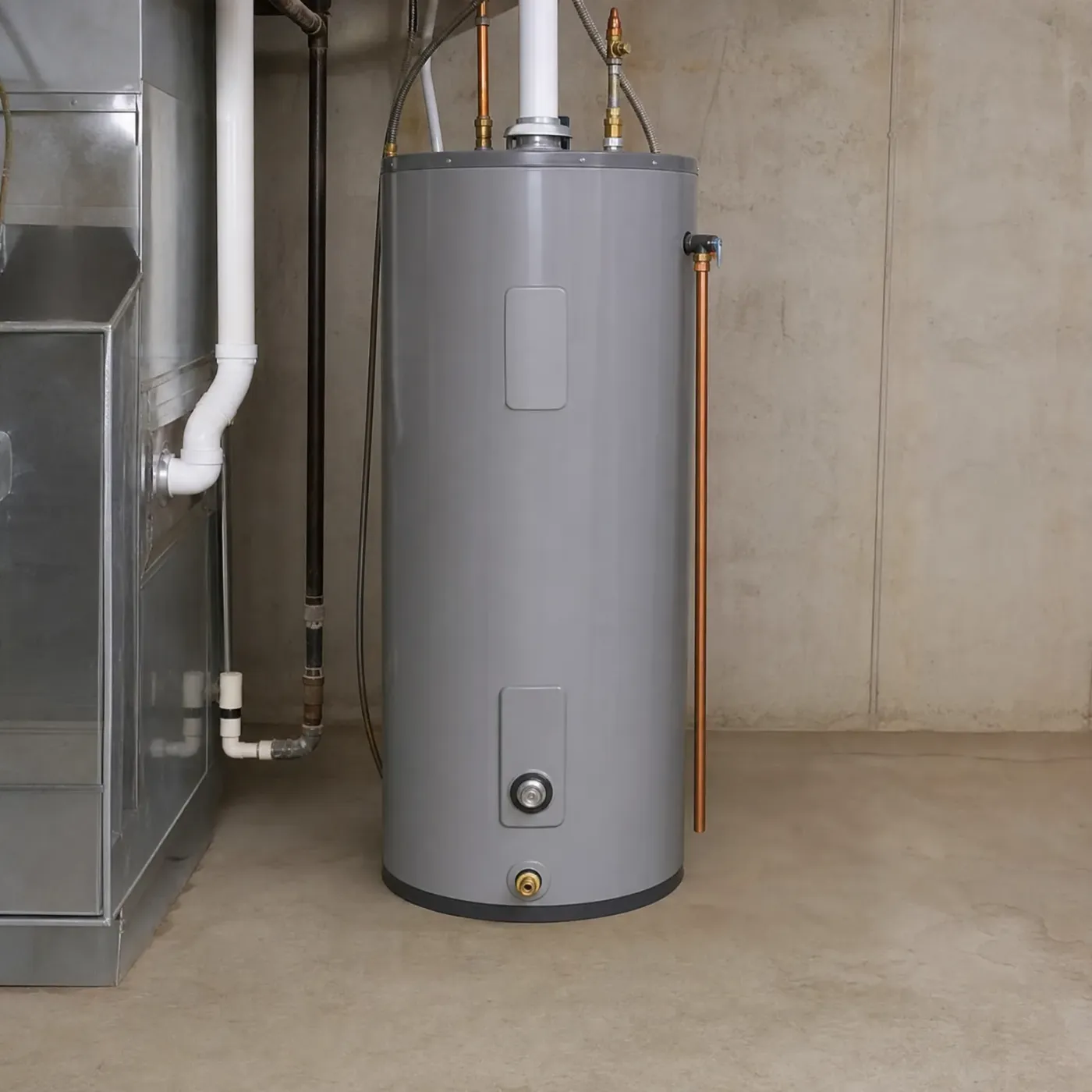
A white cylindrical water heater with copper pipes and a metal flue stands in the corner of an empty room with bare concrete floor, wood framing at left, and a plain light-colored wall.

What the burner does to sediment

When the burner fires under the tank, the water trapped under that layer of sediment turns to steam. The popping sound is those steam bubbles pushing up through the crust and collapsing against the water above. The harder the water, the faster that layer builds, and the louder the tank gets over time.

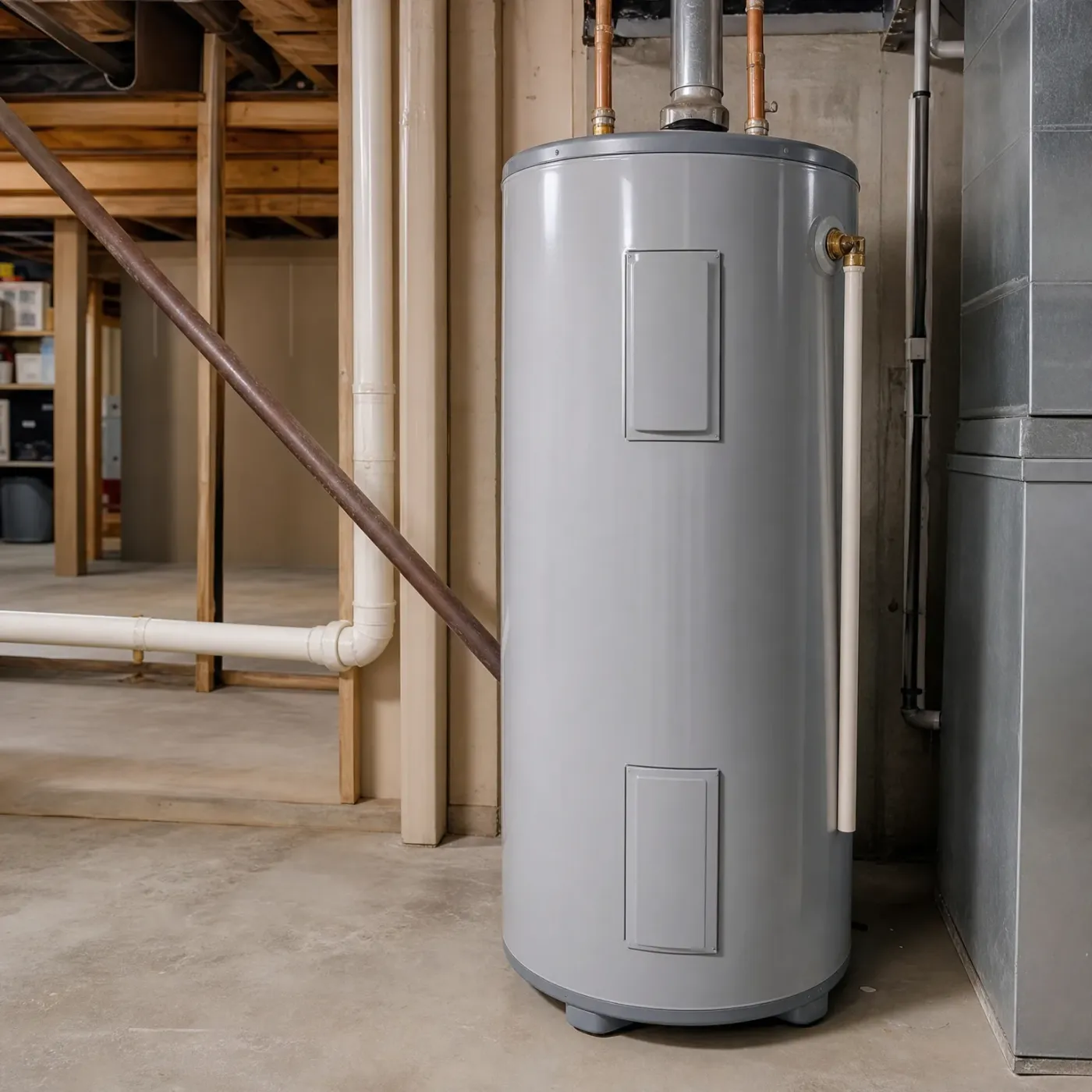
A white cylindrical water heater with copper and black pipes stands against a plain white wall on a gray floor, beside a concrete wall and metal ductwork.

Why the tank works harder

Sediment sits between the burner and the water, so heat has to pass through it before the water actually warms. That slows down recovery and can scorch the bottom of the tank where the layer is thickest. Left alone, it's the kind of wear that shortens how long a gas water heater holds up.

Live With It or Call Someone

Leave It

  • The popping gets louder over time but the water heater still heats water on demand.
  • No water pools under or around the tank and the pipes stay quiet otherwise.
  • The unit is under ten years old and hasn't needed repairs before now.
  • You're willing to hear the noise until a repair visit confirms what's underneath it.
  • Flushing the tank yourself on a regular schedule keeps the sediment layer from building back up as fast.

Get It Looked At

  • The popping has turned into banging or knocking that you can hear from another room.
  • Hot water takes longer to show up at the tap than it used to.
  • You see rust-colored water or any water collecting at the base of the tank.
  • The burner runs longer than it used to before the water finally gets hot.
  • A thick sediment crust can scorch the bottom of the tank, and that kind of damage doesn't reverse itself.
  • You'd rather have a contractor flush the tank or check the burner than wait and see if it gets worse.
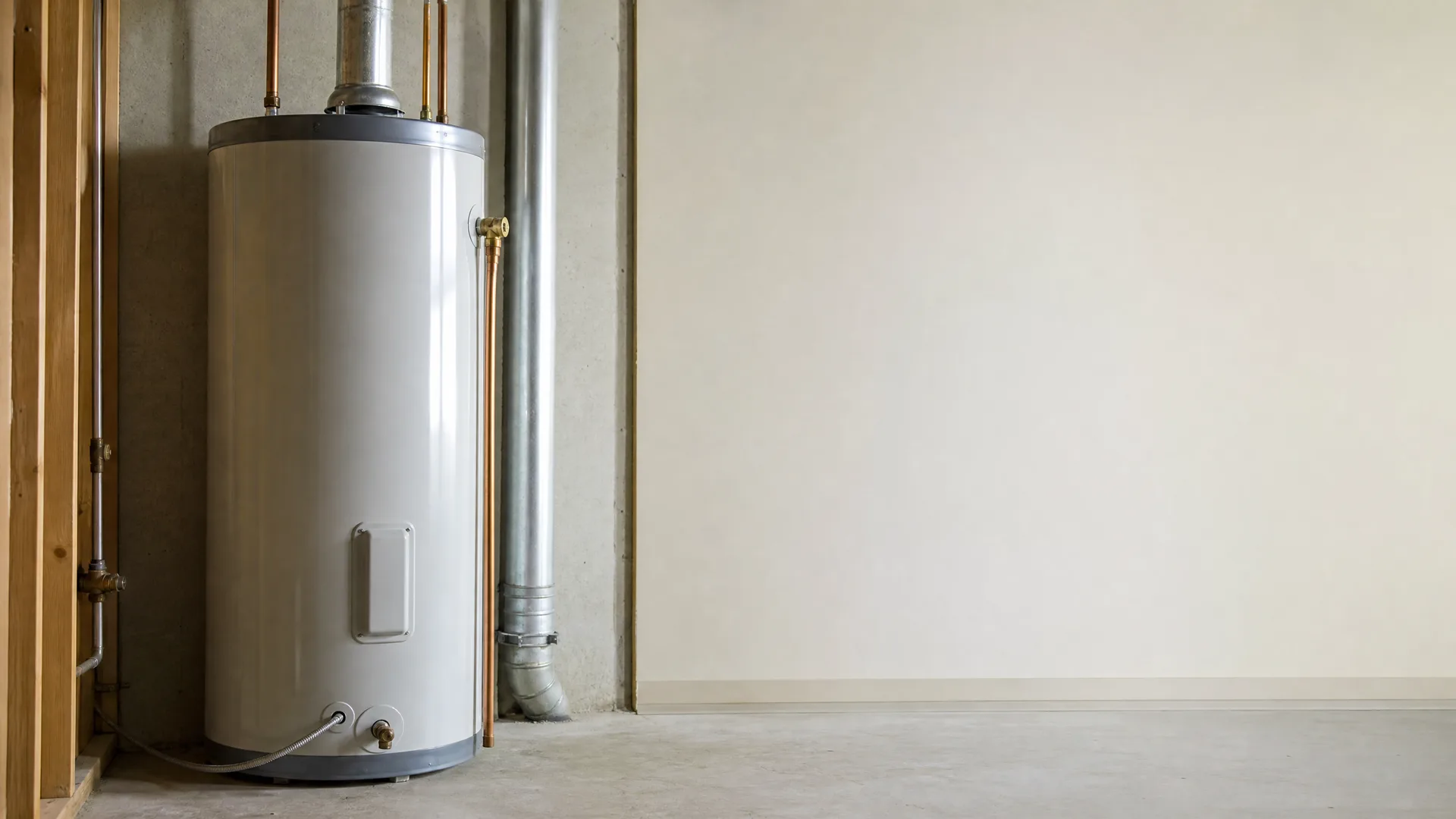
A gray cylindrical water heater stands against a concrete basement wall, connected to copper pipes and a metal flue overhead, with a white discharge pipe running down its right side and exposed wood framing to the right.

Sediment, But Still Working

A tank like this one is still doing its job. The popping comes from underneath, but the burner still heats the water on schedule, and the pressure relief valve and fittings show no sign of strain. Noise alone doesn't mean the tank is failing.
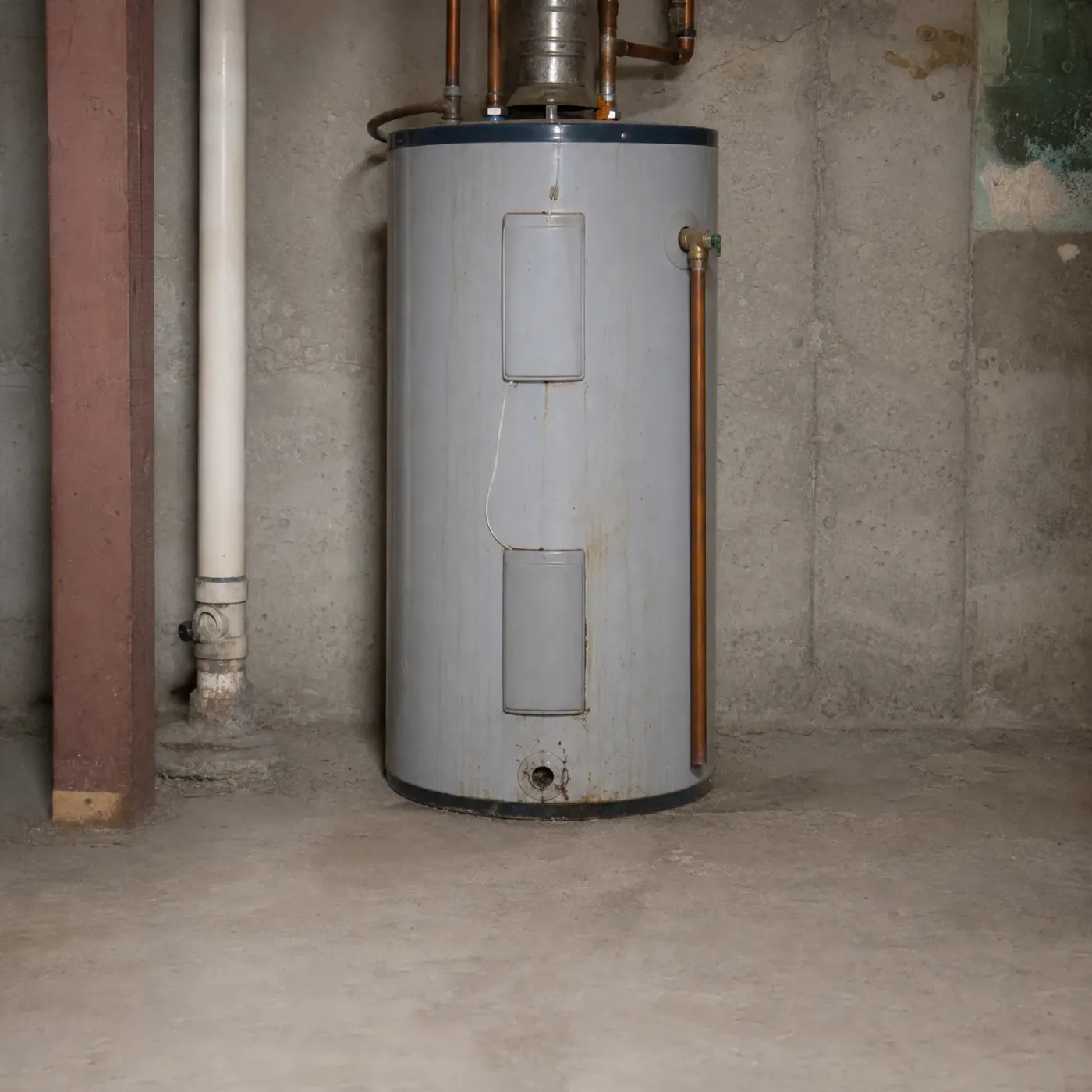
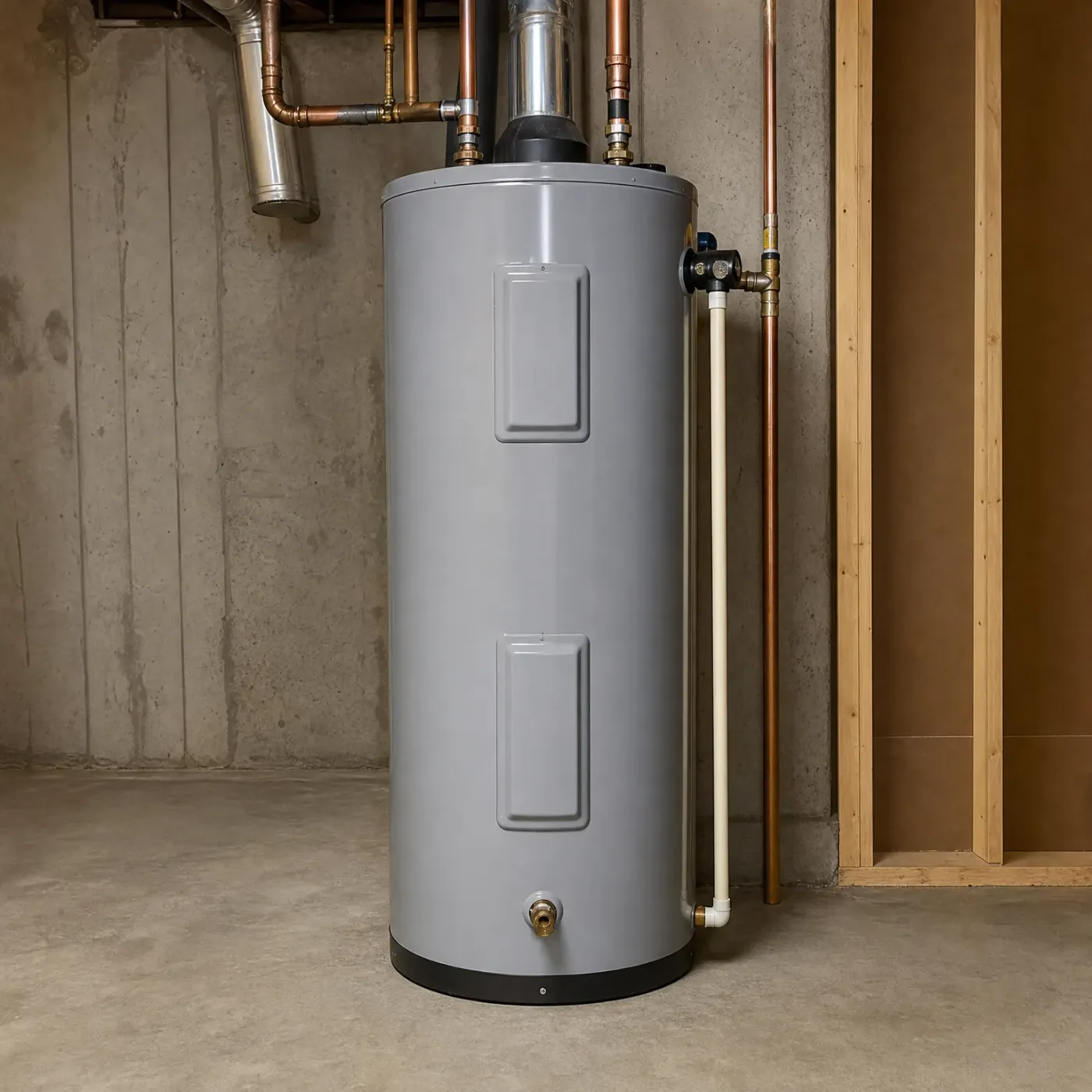
A gray cylindrical water heater with copper piping stands against a concrete basement wall beside a white vertical pipe and a wooden post.

Sediment Taking Its Toll

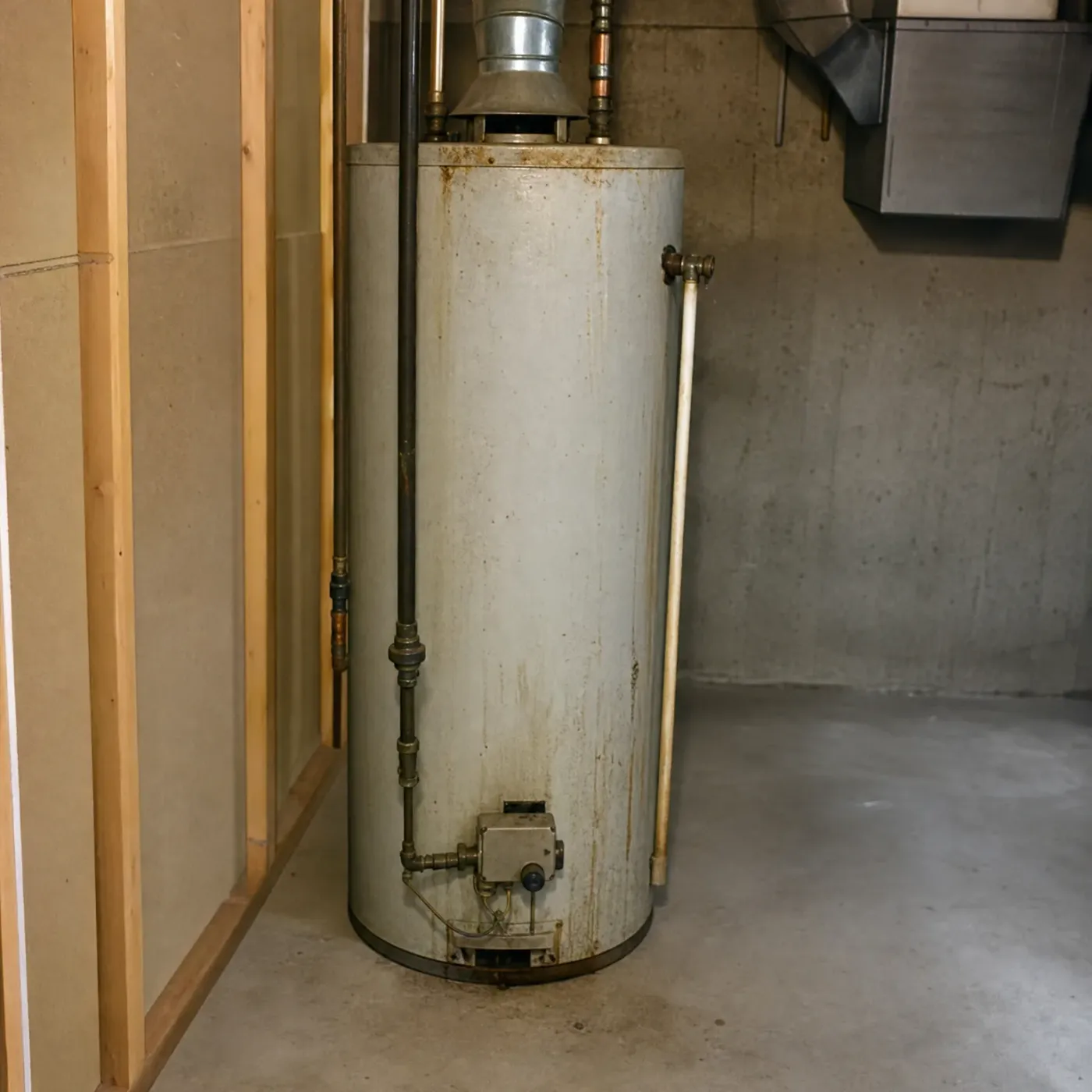
Rust near the base is a different problem than noise. Years of sediment can wear at the tank floor from the inside, and once rust reaches the outside, the metal underneath has already been thinning for a while. That's not something flushing the tank fixes.

An old rusting gas water heater with flue pipe and connected plumbing stands on a concrete floor in a basement corner beside an unfinished wood-framed wall and a metal duct.
Before you get your water heater repair
A gray cylindrical water heater stands on a concrete floor against a concrete wall, with copper and white pipes above it and a metal ductwork unit to the left.
After you get your water heater repair
A gray cylindrical water heater with copper and white pipes stands on a concrete basement floor beside a metal duct and wooden framing.

Get the right pro for your water heater

Skip searching for a water heater pro and answer a few questions instead.

Describe your water heater job, and a local pro who handles it gets in touch.

Find my pro

No charge to send it. You decide if you hire them.

Does popping mean my water heater is about to fail?

Does popping mean my water heater is about to fail?

Not by itself, but it can get there

Popping on its own usually means sediment, not a tank that's about to go. The sound gets worse as the crust builds up, because there's more water trapped under it for the burner to turn into steam. What matters more is the sediment's effect over time. A thick layer insulates the bottom of the tank from the burner, so the metal above it runs hotter than it should. That's what wears a tank out early. If the popping shows up alongside rust-colored water, a leak, or the burner running longer than it used to, those point to a tank under real strain. Noise alone just means it's time to have the sediment dealt with before it gets to that point.

A woman with dark hair in a bun wearing a cream knit sweater sits on a gray sofa in a bright living room, looking off to the side.
A woman wrapped in a knit blanket sits on a gray sofa in a living room, looking toward a bright window with houseplants and an armchair in the background.
A woman in a gray cowl-neck sweater sits on a light sofa with cushions, smiling and looking to the side, with a kitchen and window visible behind her.
A woman with dark hair in a bun, wearing a light linen shirt, sits on a sofa and looks to the side, with a window, houseplants and a kitchen with pendant lights blurred behind her.
A man in a dark blue shirt stands in an open front doorway of a stucco and wood-clad house, facing a blond woman seen from behind in the foreground on a stone walkway.

What that sediment is doing to your water heater right now

That layer at the bottom is sitting between the burner and the water, so the burner has to work through it to heat your tank at all. Run the water for a bath or a sink full of dishes and you may notice it takes longer to feel hot, or the hot runs out sooner than it used to. The crust is also wearing at the tank itself, and a tank that cracks under that stress can mean water pooling on your floor with no warning.

You don't have to figure out on your own whether the sediment in your tank is still manageable or past the point of flushing it clean. A contractor who looks at water heaters like yours across New Mexico can tell you which one it is and reach out to go over it with you, instead of you calling around and repeating the same description of the noise to every name in the search results.

Interior corner of a living room with a beige upholstered sofa and dark cushion in the foreground, a ceramic vase of leafy branches on a dark side table by a curtained window, a framed picture on the wall, and a wood-surround fireplace at right.

61.7% of homes statewide heat with gas

Most houses in New Mexico heat water with a gas burner under the tank, not an electric element inside it. That means the sediment settling at the bottom sits right where the flame hits, which is why the popping shows up here instead of staying quiet.

ACS 2020-2024 5-year B25040

Sediment Noise, Explained

  • Popping and rumbling in a gas water heater means sediment has built up on the tank bottom, not that the unit is failing.
  • New Mexico's hard water speeds up that buildup, since minerals settle out faster as the tank cycles on and off.
  • The sound comes from steam pockets forming under the sediment crust and collapsing as the burner heats water through it.
  • A water heater can keep heating on demand for years with this noise present, as long as the tank isn't leaking.
  • Flushing the tank can quiet the popping, but a cracked or weakened tank from long-term sediment buildup needs a repair visit.
  • Watching for pooled water, a failing pressure relief valve, or a sudden drop in hot water matters more than the noise itself.

The popping is sediment, built up by New Mexico's hard water, sitting between the burner and the water above it. Steam forms under that crust and pushes through, and the collapsing bubbles are what you hear. None of that means the tank is failing. A gas water heater can run this way for years, still heating on demand, as long as the tank itself holds. Flushing it out clears the crust and usually quiets the noise, since there's less sediment left for steam to push through. What flushing can't undo is damage already done. Years of sediment sitting against the tank bottom can weaken the metal underneath it, and that's a different problem than the noise itself, one a flush won't fix. So the sound tells you what's happening, but not which case you're in. The way to know is what else is going on. Hot water that runs out faster than it used to, water pooling at the base, a pressure relief valve that won't hold. Those point to wear past what sediment alone explains. Noise with none of that is usually just noise. Noise with any of that is worth a repair visit to find out which. Either way, the popping itself is the clue, not the verdict, and what you do next depends on what else you find when you look.

An older woman with gray hair in a bun and glasses, wearing a beige knit sweater, smiles while looking to the side in a warmly lit kitchen, with a loaf of bread on the counter in the foreground and a snowy scene outside the window.
A woman and a child wrapped together in a knitted gray blanket on a couch, with the child's head resting on her shoulder and a lit table lamp and houseplant in the background.

Water Heater Repair

A pro who works on water heaters

One form replaces the calls you'd make to find a water heater pro.

A black smartphone standing upright against a plain light gray background, its screen filled with solid green.
Step 1 of 3: Equipment