
Tell us about the job
Takes about a minute. No obligation.
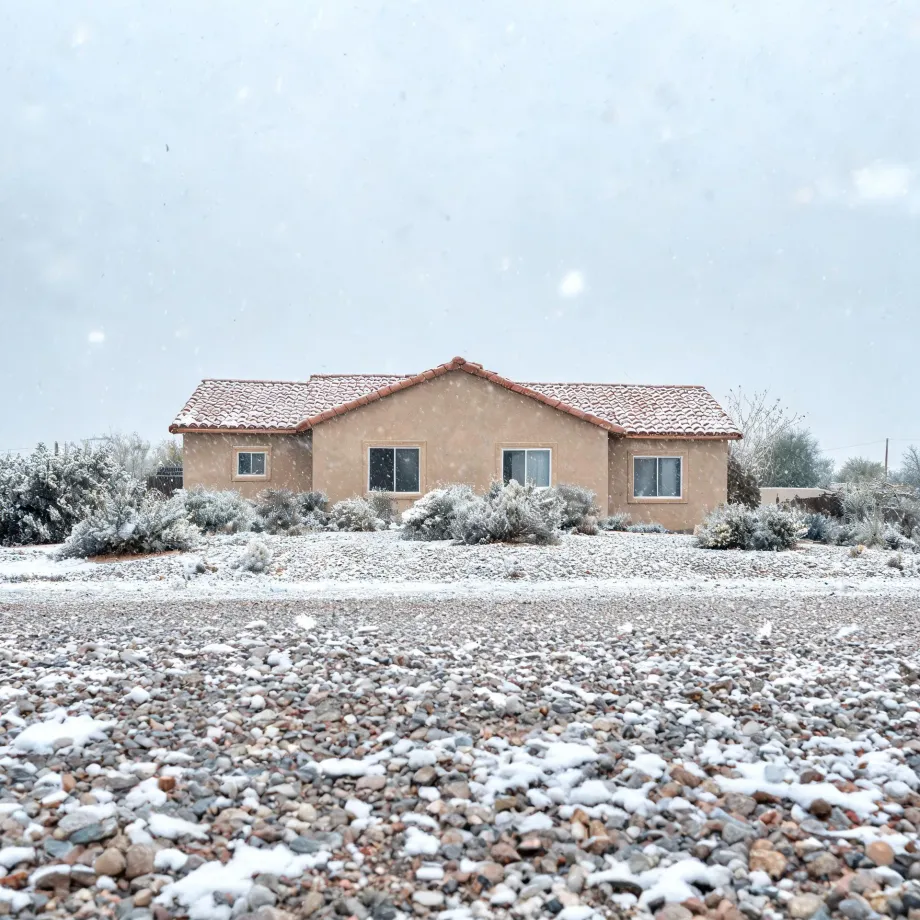
A gas water heater replacement in Union County starts with the venting, not the tank. Utility gas heats more occupied homes in Union County, New Mexico than any other fuel, at 59.0% (2020-2024 ACS 5-year). That share means most homes here have existing gas lines, flues, and combustion air arrangements that were built around a specific appliance, and a contractor has to verify that the new unit matches what the venting can actually handle before any sizing conversation begins. A direct-vent model and an atmospheric-vent model are not interchangeable in the same space, and the difference shows up in the flue connection, the draft requirement, and whether the existing termination is legal for the new equipment.
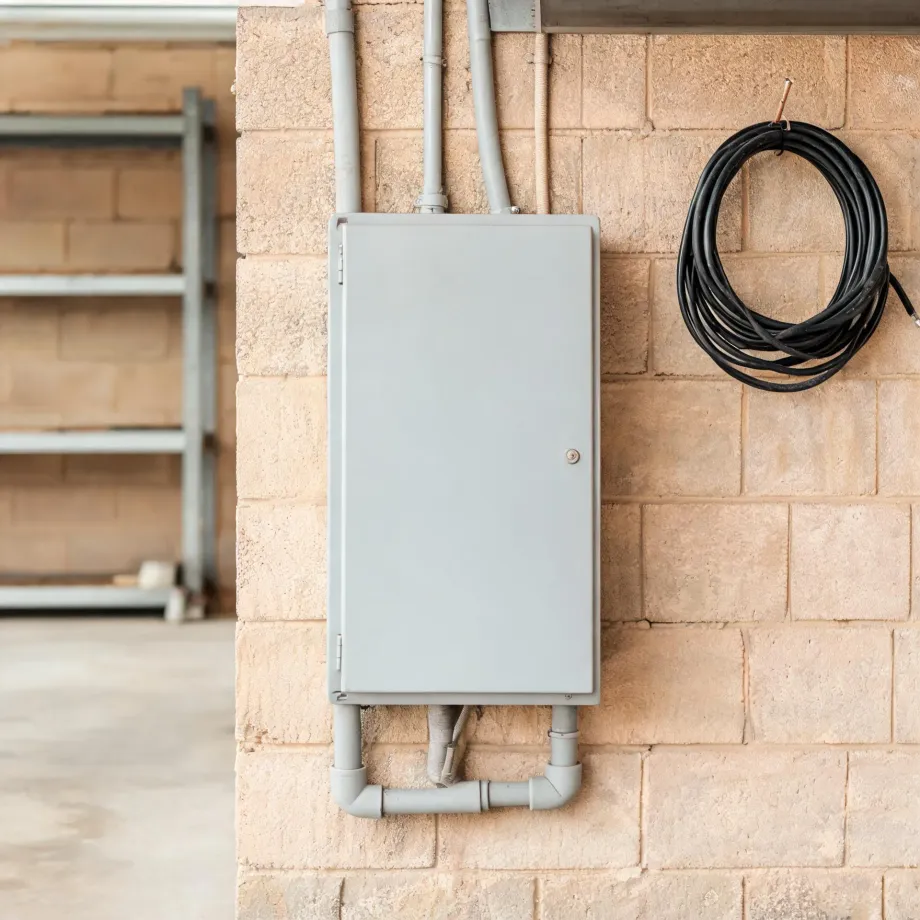
Ductwork laid down for a water heater that no longer exists, running to a service panel sized for a lighter draw, is what a contractor opens the wall to find in much of this county. Half the homes in Union County, New Mexico were built in 1961 or earlier (2020-2024 ACS 5-year). That history is what shapes a water heater installation quote here: the new unit itself is straightforward to spec, but whether the existing lines and electrical can support it is a question the house has to answer first, and the answer is not always yes.
What a New Water Heater Installation Covers
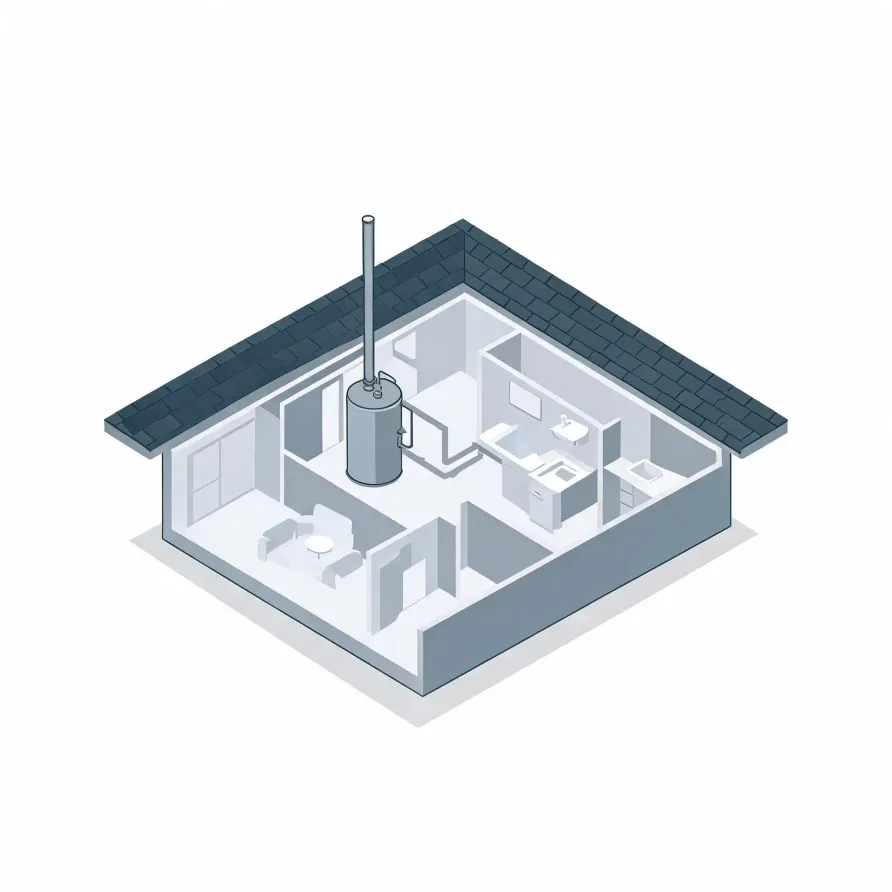
The tank is the piece a homeowner sees first, usually standing in a utility closet, basement, or garage. It holds and heats the water your household draws on. Attached to the top are the hot and cold water lines that feed the tank and carry heated water to the rest of the house.
The pressure relief valve mounts to the side of the tank and is a safety device that opens if pressure inside climbs too high. The drain valve sits near the base. A contractor also connects the fuel supply line or dedicated electrical connection, depending on whether the unit runs on gas or electricity.
The drawing shows a typical layout, and a licensed contractor determines exactly what applies to your home.
Find a contractor in Union CountyUnion County, by the numbers
307 severe weather events were recorded in Union County, New Mexico between 2015 and 2024.
NOAA National Centers for Environmental Information, Storm Events Database, bulk CSV export, events 2015-01-01 through 2024-12-31.Half the homes in Union County, New Mexico were built in 1961 or earlier (2020-2024 ACS 5-year).
U.S. Census Bureau, 2020-2024 American Community Survey 5-Year EstimatesUnion County, New Mexico holds 2,101 housing units (2020-2024 ACS 5-year).
U.S. Census Bureau, 2020-2024 American Community Survey 5-Year EstimatesOwners occupy 72.4% of the occupied homes in Union County, New Mexico (2020-2024 ACS 5-year).
U.S. Census Bureau, 2020-2024 American Community Survey 5-Year EstimatesSevere Weather Events in Union County
Water heaters work harder when outdoor conditions swing hard, and Union County's climate is the baseline every installation here has to be sized against. What the local weather record shows shapes what equipment gets specified and how it gets set up.
307 severe weather events, 2015–2024. Source: NOAA National Centers for Environmental Information, Storm Events Database.